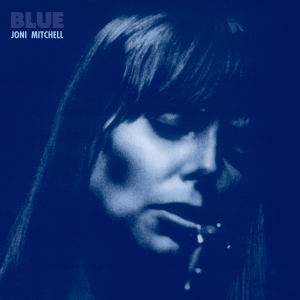
Joni Mitchell – Blue

There are albums that make you feel. And then there’s Blue, which doesn’t just make you feel—it undoes you. It strips you down to your rawest, most vulnerable self, forces you to stare directly into your own soul, and somehow, by the time it’s over, you’re grateful for the experience. There has never been, and likely never will be, an album more emotionally naked than this one. Joni Mitchell didn’t just write Blue—she bled it.

Released in 1971, Blue is the sound of a woman who has nothing left to hide. While rock and folk at the time were still playing around with the idea of confessional songwriting, Joni took it to an entirely new level. She didn’t just write about love—she wrote about love as it actually is: messy, euphoric, devastating, transformative. She didn’t just write about herself—she wrote about all of us. Every heartbreak, every moment of longing, every bittersweet memory—it’s all there, wrapped in her delicate, piercing voice and melodies so achingly beautiful that you can’t help but let them consume you.

It starts with “All I Want,” a song that sounds deceptively breezy until you realize it’s a desperate plea for love, fulfillment, and something more. Then comes “My Old Man,” a love song that refuses to romanticize love—it’s not about grand gestures, it’s about the way someone makes coffee in the morning, the way they exist in your space. And then we hit “Little Green,” and if you know, you know. The moment you realize she’s singing about the daughter she gave up for adoption, the weight of the song crashes down on you like a wave, and suddenly, Blue isn’t just an album anymore—it’s a private diary that you almost feel guilty for reading.

But if the first three songs make you lean in, “Carey” gives you a moment to breathe—a playful, free-spirited travelogue of her time in Greece with a man who was nothing more than a momentary escape. But just when you start to think she’s letting you off the hook, “Blue” arrives, and it’s devastating. It’s sadness distilled into song, the kind of song that doesn’t just express heartbreak—it is heartbreak.

Then there’s “California,” a love letter to home disguised as a road-weary traveler’s rambling thoughts, and “This Flight Tonight,” which captures regret in real-time as she second-guesses every decision she’s made. But the true emotional wrecking ball is “River.” It’s a Christmas song, but not in the way you think—it’s a song about wishing you could disappear, about drowning in your own sadness, about how even the most beautiful times of the year can be unbearable when you’re heartbroken. The loneliness in her voice is so palpable, so real, that even if you’ve never skated away on a frozen river, you feel like you have.

And just when you think you can’t take any more, she closes with “A Case of You” and “The Last Time I Saw Richard.” The former is one of the greatest love songs ever written, a song so intimate and poetic that it feels like it’s being whispered in your ear. The latter is a warning—a bitter, weary reflection on what happens when you let love make you cynical. It’s the perfect way to end an album that has spent the last forty minutes exposing every fragile, messy, beautiful part of the human condition.

What makes Blue one of the greatest albums of all time isn’t just its lyrics, its melodies, or even Joni’s hauntingly pure voice—it’s the fact that no one has ever made something this personal, this real, and this utterly fearless before or since. Artists like Taylor Swift, Brandi Carlile, and countless others have built their careers on the foundations that Blue laid down, but even they would tell you—there’s only one Joni, and there’s only one Blue.

This isn’t just an album. It’s an emotional experience. It’s a mirror. It’s a masterpiece. And if you’ve ever loved, lost, hoped, regretted, or simply felt—then Blue is already a part of you.
Worldwide Food Tour – Thailand

A Dish That Defines Everyday Thai Cuisine

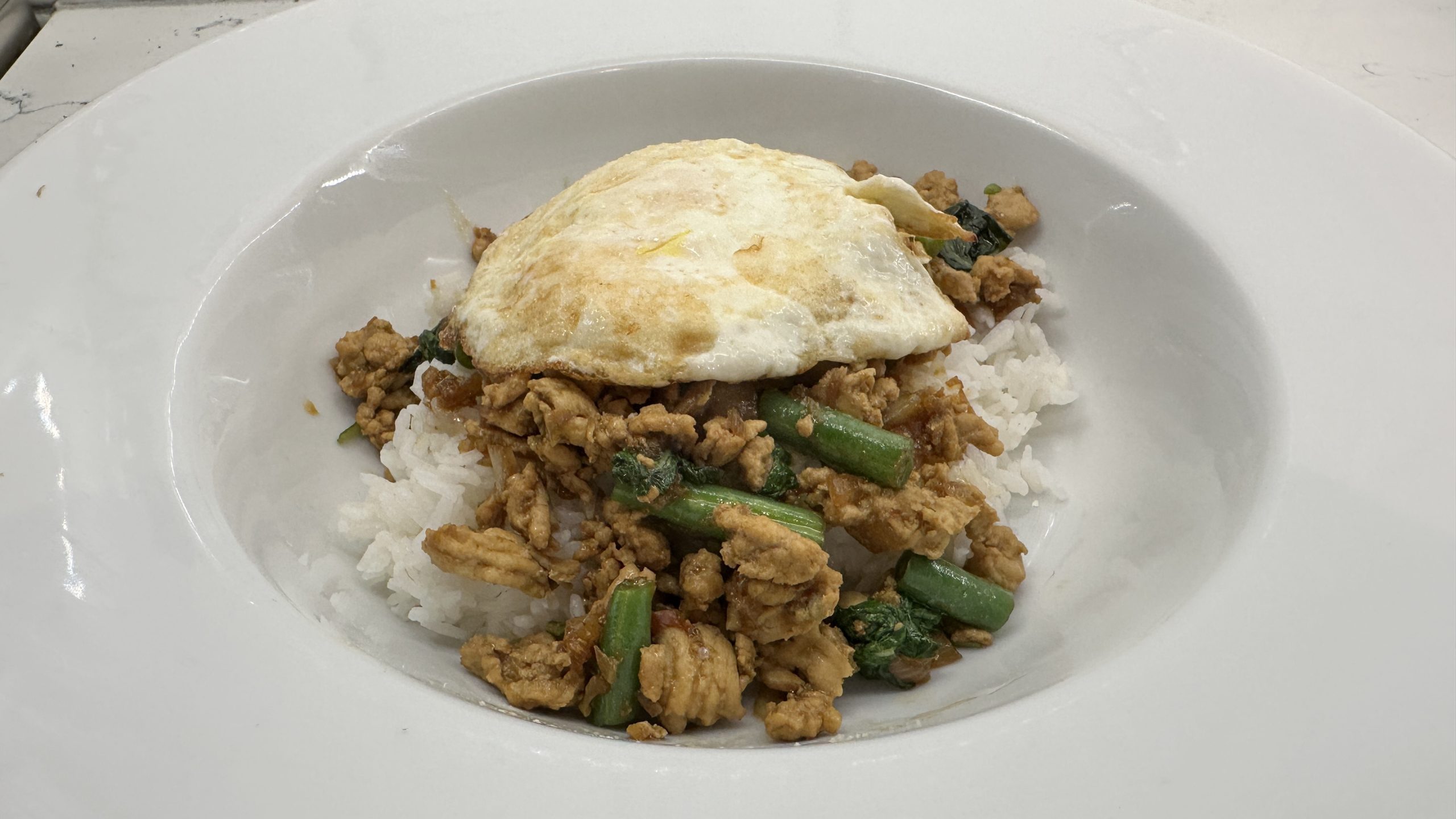
In the world of Thai street food, few dishes are as ubiquitous or as beloved as Pad Kra Pao (ผัดกะเพรา). This fiery, fragrant stir-fry is Thailand’s answer to a no-fuss, quick, and deeply satisfying meal—a dish so popular that it’s often referred to as the “fast food of Thailand”. Whether ordered from a bustling Bangkok street vendor or cooked in a home kitchen, Pad Kra Pao is a staple that embodies the bold flavors and simplicity of Thai cuisine.

Featuring stir-fried meat (usually pork or chicken) infused with the unmistakable aroma of holy basil (kra pao), combined with garlic, chilies, and a savory sauce, Pad Kra Pao is a dish that hits hard with heat, umami, and herbal freshness. It’s typically served with steamed jasmine rice and often topped with a crispy-edged, runny fried egg (kai dao, ไข่ดาว), which balances the dish’s spice with rich, creamy yolk.


The History: A Dish Born from Chinese Influence and Thai Adaptation

Though now a quintessential Thai dish, Pad Kra Pao has roots in Chinese wok-fried cooking techniques. Stir-frying meats with aromatics and soy-based sauces was introduced to Thailand by Chinese immigrants, and over time, local ingredients were incorporated to create something uniquely Thai.

One of the key defining elements of Pad Kra Pao is holy basil (Ocimum tenuiflorum), known as kra pao (กะเพรา) in Thai. Unlike the sweet basil commonly used in Italian cooking, holy basil has a more peppery, slightly anise-like flavor with a distinct clove-like aroma. This gives Pad Kra Pao its signature spicy and herbaceous kick that sets it apart from other Thai stir-fries.

Today, Pad Kra Pao is one of Thailand’s most popular one-dish meals (อาหารจานเดียว, ahan jan diao), loved by office workers, students, and street food enthusiasts alike. It’s the go-to dish for anyone craving bold flavors without the fuss—fast, inexpensive, and bursting with Thai identity.


What is Pad Kra Pao?

At its core, Pad Kra Pao is a stir-fry consisting of a protein of choice, aromatics, seasoning sauces, and the all-important holy basil.

Essential Ingredients:

  • Protein: Minced pork (moo sab, หมูสับ) is the most traditional choice, but variations include chicken, beef, shrimp, tofu, or even crispy pork belly (moo krob).
  • Holy Basil (Kra Pao): The star ingredient—adds an unmistakable herbal heat. If unavailable, Thai sweet basil or Italian basil can be substituted, though they lack the same depth of flavor.
  • Chilies (Prik Kee Nu, พริกขี้หนู): Small but fiery Thai bird’s eye chilies give the dish its characteristic spice.
  • Garlic: Pounded together with chilies to create the dish’s aromatic base.
  • Oyster Sauce & Fish Sauce: Provide deep umami and saltiness.
  • Dark Soy Sauce: Adds a hint of sweetness and color.
  • Sugar: Balances the heat and saltiness.
  • Fried Egg (Kai Dao, ไข่ดาว): Optional but highly recommended—the crispy edges and runny yolk add richness to the dish.

The magic of Pad Kra Pao lies in its simplicity—ingredients are quickly stir-fried over high heat in a wok, ensuring the flavors meld together while retaining a fresh, vibrant quality.


Tasting Notes: A Perfect Harmony of Heat, Umami, and Fragrance

Pad Kra Pao delivers an explosion of flavors in every bite:

  • Spicy: The bird’s eye chilies pack a fiery punch that lingers on the palate.
  • Savory & Umami: The combination of fish sauce, oyster sauce, and soy sauce creates a deep, satisfying saltiness.
  • Fragrant & Herbaceous: The holy basil provides an unmistakable peppery aroma that defines the dish.
  • Rich & Balanced: The crispy fried egg’s runny yolk tames the heat and adds a luxurious texture.

Each element plays a crucial role, resulting in a dish that is bold yet balanced, making it one of the most addictively delicious dishes in Thai cuisine.


How Pad Kra Pao is Served

Pad Kra Pao is always served with rice, making it a complete meal in itself.

  1. Street-Style Pad Kra Pao – Ordered from a street vendor, usually made to order with your choice of meat, extra chilies, and sometimes topped with kai dao (fried egg).
  2. Home-Cooked Pad Kra Pao – Slightly milder but equally flavorful, often customized with preferred proteins and spice levels.
  3. Modern Variations – Some restaurants serve Pad Kra Pao with Wagyu beef, seafood, or plant-based proteins to cater to a wider audience.

While traditionally eaten with just a spoon and fork (no chopsticks!), Pad Kra Pao is a meal that doesn’t need any fancy accompaniments—it’s perfect just as it is.


Beyond Thailand: A Growing International Favorite

Pad Kra Pao has gained popularity beyond Thailand, thanks to its irresistible combination of spice, umami, and freshness. Thai restaurants around the world now offer their take on this classic dish, often adjusting the spice levels for local palates.

However, true Pad Kra Pao lovers know that the best versions are found in Thailand’s bustling street food markets, where the smoky aroma of stir-fried basil and chilies fills the air.


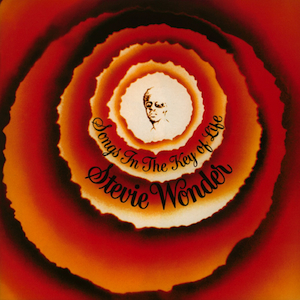
Stevie Wonder – Songs in the Key of Life

There are great albums. There are legendary albums. And then there’s Songs in the Key of Life, which is less of an album and more of an event—one of those rare, cosmic moments where a musician taps directly into something higher, bigger, and more profound than the rest of us can even comprehend. It’s Stevie Wonder at the absolute height of his powers, delivering an album so expansive, so bursting with life, love, and humanity, that it doesn’t just sit in the pantheon of great records—it is the pantheon.

This wasn’t just another record for Stevie. It was his magnum opus, the culmination of everything he had learned from years of pushing the boundaries of soul, funk, jazz, and pop. He spent two years obsessing over it, recording in multiple cities with some of the best musicians alive, and when it finally dropped in 1976 as a double album with a bonus EP (because, of course, one album wasn’t enough to contain this brilliance), it was an instant masterpiece. It was a Number One album for 13 weeks, it won Album of the Year at the Grammys, and it’s been influencing every musician with ears ever since.

And the songs? Forget about it. The opening track, “Love’s in Need of Love Today,” is a slow, soulful warning that feels even more urgent now than it did nearly 50 years ago. It’s the kind of song that makes you sit down, breathe, and actually listen—because Stevie isn’t just making music, he’s preaching, and you’d be wise to pay attention. Then “Have a Talk with God” kicks in, a cosmic gospel-funk groove that somehow makes spiritual searching feel like a party, before we slide into “Village Ghetto Land,” a haunting, orchestral satire that shreds the illusion of the American dream with a string arrangement so beautiful you almost forget he’s singing about poverty and injustice.

But if Songs in the Key of Life is a universe, then “Sir Duke” is the sun at the center of it—a celebration of music itself, a tribute to Duke Ellington, and quite possibly the most joyful brass arrangement ever recorded. If you can hear that horn section without smiling, I’d like to check your pulse. And just when you think Stevie has hit his peak, here comes Isn’t She Lovely—a song so infectiously warm that it somehow made an extended harmonica solo feel like the happiest sound in existence. He wrote it for his newborn daughter, but let’s be real, it might as well have been written for the entire world.

Then there’s “Pastime Paradise,” a song so ahead of its time that decades later, Coolio borrowed it for Gangsta’s Paradise and turned it into another classic. It’s eerie, intense, and socially conscious in a way that makes it feel like it could have been written yesterday. “I Wish” is pure funk perfection, a nostalgia trip so groovy that even people who weren’t alive in the ‘60s feel like they were, and “Knocks Me Off My Feet” is so smooth it practically melts as you listen to it.

But Stevie didn’t stop there. “As” is one of the greatest love songs ever written, a transcendent, endless devotion anthem that sounds like it was composed on another plane of existence, and “Another Star” closes out the album with a Latin jazz-fusion explosion that refuses to let you sit still.

What makes Songs in the Key of Life one of the greatest albums of all time isn’t just its musical brilliance—it’s its scope. This album is everything. It’s love, it’s pain, it’s joy, it’s struggle, it’s nostalgia, it’s hope, it’s fear, it’s funk, it’s jazz, it’s gospel, it’s soul, it’s life itself. Stevie Wonder wasn’t just writing songs—he was writing the human experience.

And the impact? Infinite. Prince, Michael Jackson, Beyoncé, Kendrick Lamar—everyone cites this album as an influence. It’s been sampled, covered, studied, and worshipped because it’s simply untouchable. There is no Songs in the Key of Life, Part II because no one—not even Stevie—could ever make something like this again.

Some albums make you feel something. Songs in the Key of Life makes you feel everything. And that’s why it’s not just one of the top five albums of all time—it might just be the album of all time.

Goal Met – No Social Media for 30 days

This was a bit more difficult than I thought it would be as using social media is an ingrained habit and something that I kind of did unconsciously. I don’t really post much (although when I first started I was posting a lot) I just read posts and laugh at memes but I found myself doing it for blocks of time that were just way too long. I did a bunch of research (written up below) and made some stark changes to the way I access my electronic media in order to go this 30 day thing. I deleted the apps from my phone, I black holed the sites on my router for all my devices and blocked the sites on my mobile browsers. I found a neat extension for FireFox that nukes YouTube’s algorithm to stave off that video rabbit hole that algorithm sometimes sends you into. It seems a bit extreme but in the first week I found myself with my phone in my hand and me staring at it wondering when I decided to take it out (I didn’t, spoiler: My dopamine fiend brain did)

After 30 days I started to have a clear delineation of harmful vs harmless social media. FB and IG weren’t bad as sharing mechanisms but the stuff that was being fed to me seemed deliberate to make me angry and research has shown that’s by design. It keeps you engaged and on the platform where they can feed you more ads. The biggest contributor to anxiety is Reddit – Even if I filter for just the subreddits I’m interested in they keep serving me up platters of hate in fact that’s the only platform I still haven’t returned to in some form. I simply just don’t need to endlessly doom scroll and fill my mind with all that is wrong with the world for hours on end each day. That’s just not healthy.

I still go onto FB every now and then to see what my friends are up to and log into IG once a week or so to look at all the memes my wife sends but I just don’t have the same drive I used to. It’s probably because I’m older now and just don’t have time for that bullshit anymore.

[Research]

Taking a 30-day break from social media can have profound effects on mental, emotional, and even physical health. Research increasingly supports the idea that stepping away from constant digital engagement can lead to improved well-being, increased focus, and better social connections. A 2018 study published in the Journal of Social and Clinical Psychology found that limiting social media use to just 30 minutes per day significantly reduced feelings of loneliness and depression in participants. But what happens when you eliminate it altogether for a month? The effects can be even more pronounced. Without the constant influx of notifications, comparison traps, and algorithm-driven content designed to keep users engaged, individuals often report lower stress levels, improved sleep, and an overall boost in happiness. Another study from the University of Pennsylvania reinforced these findings, showing that those who took breaks from social media experienced decreased symptoms of anxiety and depression, largely due to reduced exposure to unrealistic portrayals of life and fewer opportunities for negative social comparison.

Beyond mental health benefits, a social media detox can also improve cognitive function and productivity. The brain thrives on deep work and focus, but social media platforms encourage fragmented attention, pulling users into an endless loop of scrolling, clicking, and responding to stimuli. A study from the Harvard Business Review highlighted that frequent social media use diminishes attention spans and reduces our ability to engage in complex problem-solving. Without social media interruptions, individuals often find themselves more engaged in work, creative pursuits, and meaningful conversations. This kind of sustained focus has been linked to higher levels of personal satisfaction and professional success. Furthermore, stepping away from social media reduces the addictive dopamine-driven cycle of instant gratification, allowing the brain to reset and regain a healthier relationship with digital consumption.

The physical benefits of a social media detox are also worth noting. Excessive screen time, particularly before bed, has been linked to poor sleep quality due to blue light exposure and mental overstimulation. A 2019 study in Sleep Health found that individuals who used social media late at night took longer to fall asleep and had poorer sleep quality compared to those who disengaged earlier in the evening. Removing social media from daily habits can lead to deeper rest, increased energy levels, and even improvements in physical activity. Many individuals who take a break from social media report spending more time outdoors, exercising, or engaging in hobbies they previously neglected. This shift not only boosts physical health but also contributes to improved mood and emotional resilience. A study by the American Psychological Association suggests that time spent in nature—rather than in front of a screen—reduces cortisol levels, the body’s primary stress hormone, leading to a greater sense of calm and well-being.

Emotionally, a break from social media can foster healthier relationships and a stronger sense of self. Social media often fuels feelings of inadequacy, FOMO (fear of missing out), and the pressure to constantly share curated versions of one’s life. By stepping away, individuals can reconnect with their own values, develop a greater sense of self-worth independent of online validation, and strengthen real-world relationships. A study from Cyberpsychology, Behavior, and Social Networking found that excessive social media use correlates with decreased face-to-face interactions, which are essential for emotional well-being. Many participants who took a month-long break from social media reported deeper conversations, improved relationships, and a greater appreciation for in-person connections. The detox period allows people to re-engage with life in a more present and intentional way, free from the pressures of digital self-presentation.

Ultimately, a 30-day break from social media is more than just a temporary detox—it can be a powerful reset for the mind and body. Whether it leads to a permanent reduction in usage or simply provides a new perspective on the role of digital engagement, the benefits are well-documented. Improved mental health, enhanced focus, better sleep, more physical activity, and stronger relationships are just a few of the scientifically-backed reasons to give it a try. With social media becoming an increasingly dominant force in modern life, stepping away—even for a short time—can serve as a reminder that true fulfillment is often found offline.

Trenton Tomato Pie

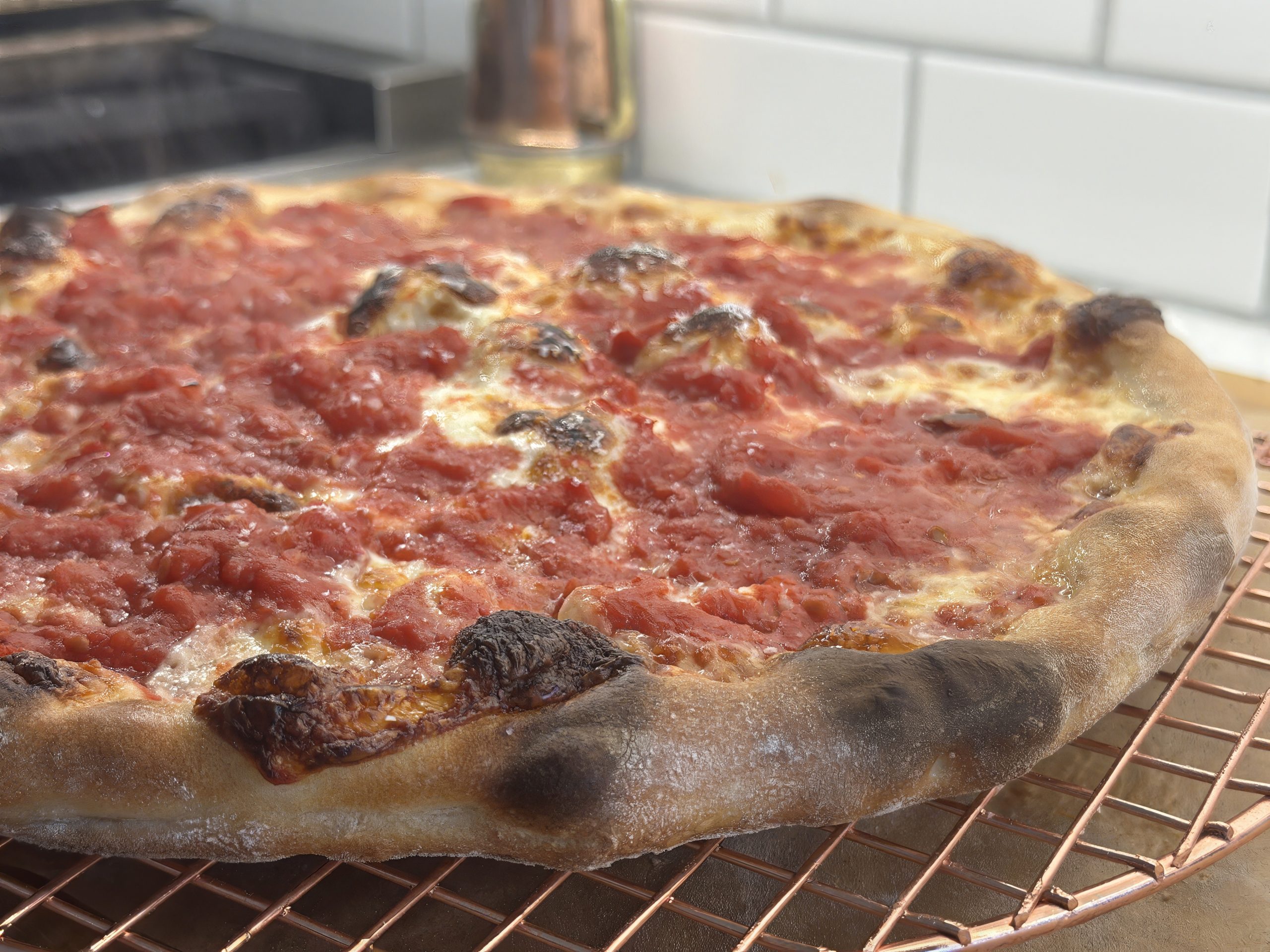
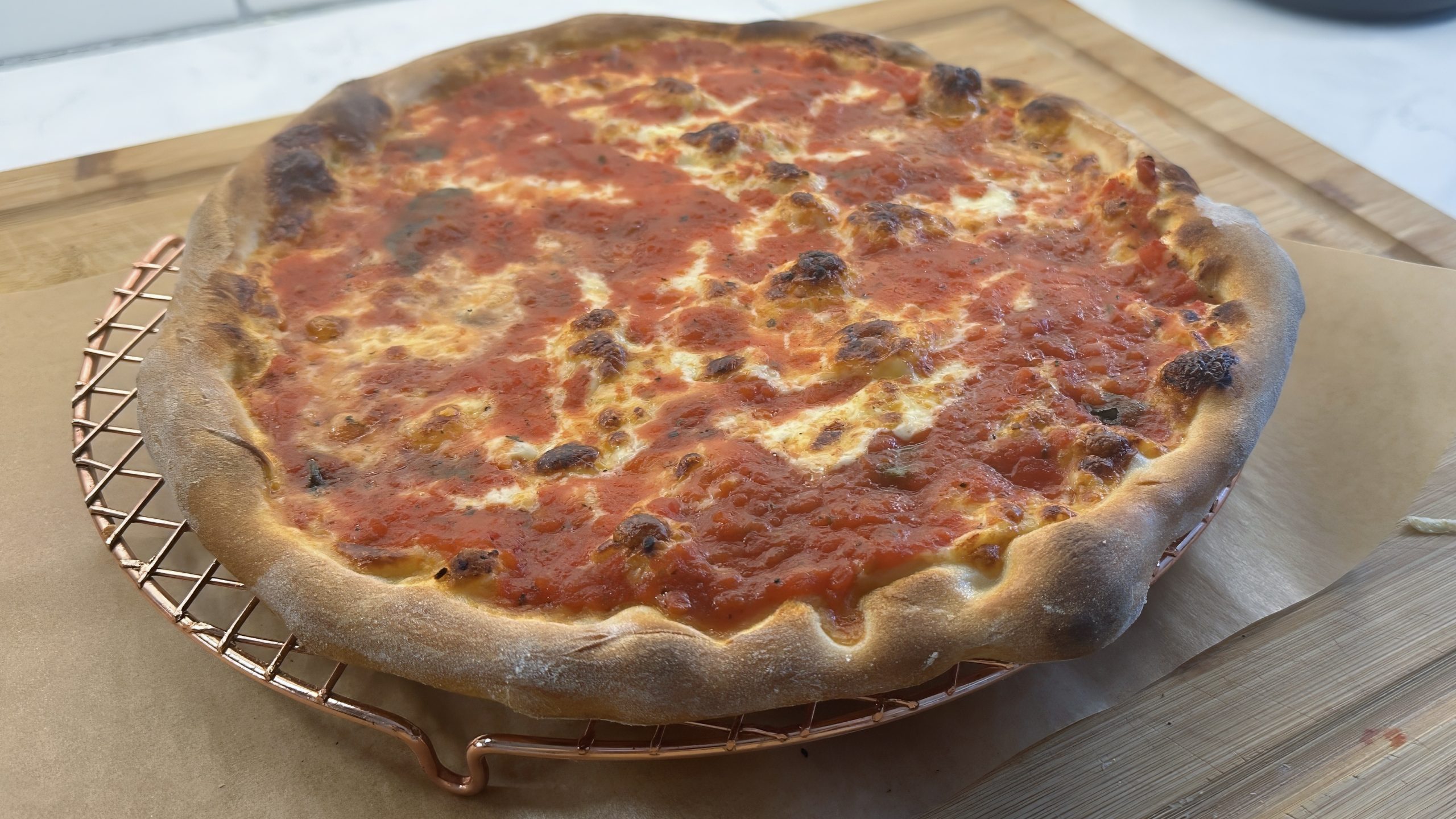
f you think all pizza is just a variation of the same thing, Trenton Tomato Pie is here to prove you wrong. This New Jersey-born specialty isn’t just a pizza—it’s a philosophy. A distant cousin of the classic New York slice and the coal-fired legends of New Haven, Trenton Tomato Pie flips the script on what most people expect from a pizza by doing one simple, yet game-changing thing: the sauce goes on top.

Trenton Tomato Pie traces its roots back to the early 1900s, when Italian immigrants, particularly those from Naples, were bringing their pizza-making skills to the U.S. While New York and New Haven developed their own famous styles, Trenton (now officially called Hamilton Township, though locals still cling to the old name) was busy crafting something uniquely its own. The earliest and most legendary name in the game is Joe’s Tomato Pie, opened in 1910, but it was De Lorenzo’s Tomato Pies, established in 1936, that cemented the style’s reputation. These family-run pizzerias helped define what Trenton-style pizza was all about: a crisp, thin, yet sturdy crust, a restrained amount of cheese, and the signature move—ladling the tomato sauce over the cheese before baking.

Now, let’s talk about what makes Trenton Tomato Pie different from your average slice. The dough is stretched thin but remains firm enough to hold up under the weight of its toppings without going soggy. Unlike the airier Sicilian-style or the charred chew of a Neapolitan pie, this crust has just the right amount of crunch without being cracker-like. It’s baked in a deck oven—usually gas-fired, though some places use coal—resulting in an evenly cooked base with a golden brown, slightly blistered edge.

The cheese, typically low-moisture mozzarella, is applied sparingly, creating a more balanced bite where no single ingredient overwhelms the others. Then comes the defining feature: the tomato sauce. Unlike many pizzas where the sauce is buried beneath a blanket of cheese, Trenton Tomato Pie does it in reverse. The sauce is spooned over the cheese in dollops or a swirling pattern, allowing it to shine as the dominant flavor. This isn’t a basic, thin tomato sauce either—it’s chunky, vibrant, and slightly sweet, often made from hand-crushed San Marzano or Jersey tomatoes, simmered down just enough to concentrate the natural sweetness without losing that fresh, tangy punch.

Toppings on a Trenton Tomato Pie are kept relatively simple. Pepperoni, sausage, mushrooms, and anchovies are all common, but purists argue that the best way to experience this style is with just the essentials—dough, cheese, and sauce. That way, you can fully appreciate the interplay of textures and flavors without any distractions. One standout variation, though, is clam tomato pie, a nod to New Haven-style apizza, which adds briny, garlicky clams to the mix for a coastal twist.

Despite being overshadowed by its big-city neighbors, Trenton Tomato Pie has a fiercely loyal following. Institutions like De Lorenzo’s and Papa’s Tomato Pies (which claims to be the oldest continuously operating pizzeria in the U.S.) keep the tradition alive, serving up these old-school pies to both nostalgic locals and pizza pilgrims who’ve come to see what all the fuss is about.

In a world where pizza is often loaded with excessive toppings, heavy cheese, and thick layers of sauce, Trenton Tomato Pie stands as a testament to restraint and balance. It’s a pizza for those who appreciate the art of simplicity—where each ingredient gets its moment to shine. If you ever find yourself in New Jersey, seeking out an authentic Trenton Tomato Pie should be at the top of your food bucket list. One bite, and you’ll understand why this under-the-radar classic deserves a spot in the pantheon of America’s greatest pizzas.

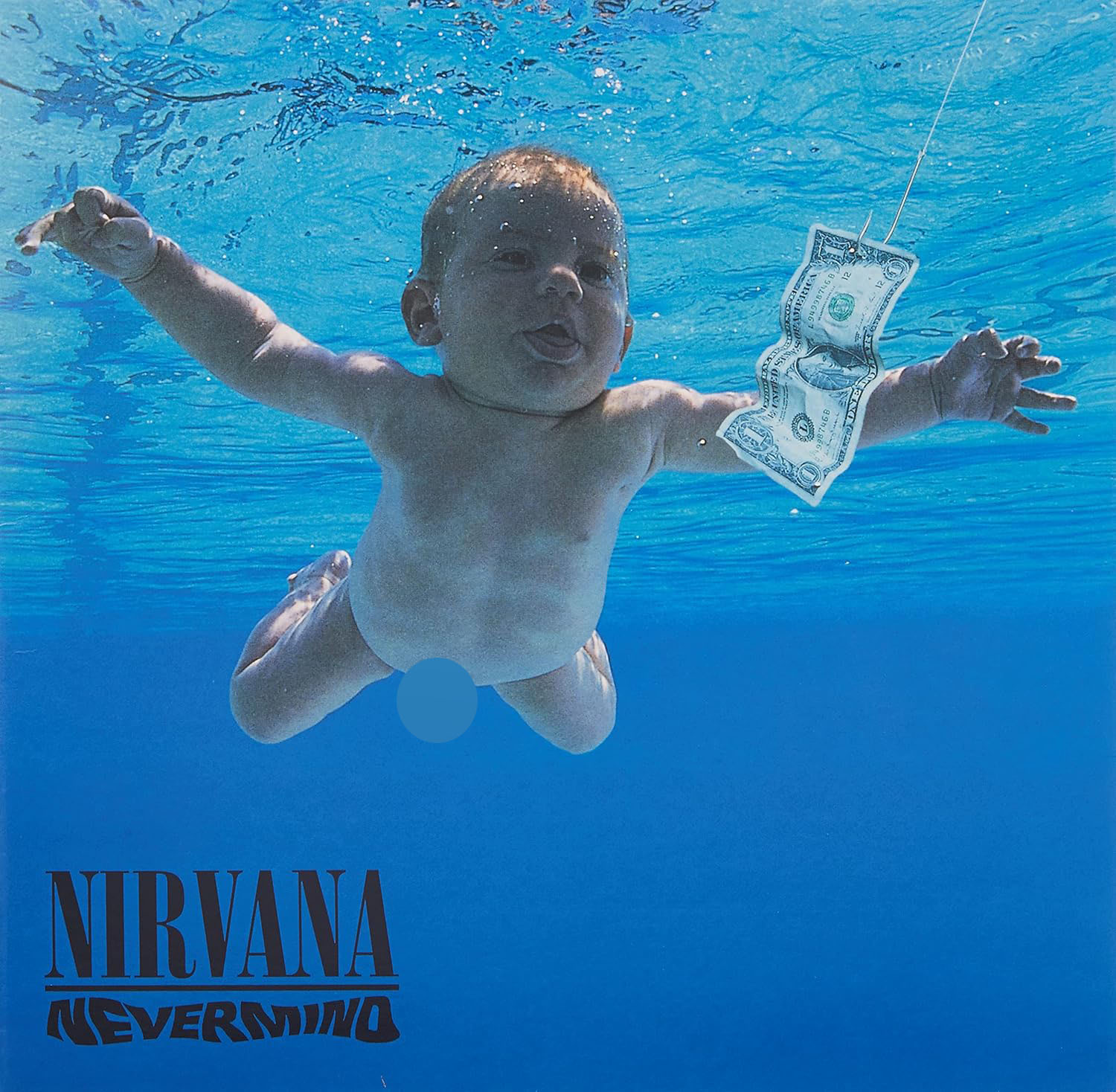
Nirvana – Nevermind

I was 18 when Nevermind came out, and if you weren’t there, you’ll never fully understand what it felt like. It was like a meteor hit music. One day, it was all hair metal, neon spandex, and drum machines, and the next, it was flannel, distortion, and an existential crisis you could actually dance to. Nirvana didn’t just release an album; they ripped a hole in the fabric of pop culture and let all the disaffected, pissed-off, and misunderstood kids climb through.

And let’s be clear: Nevermind wasn’t supposed to be this big. This was just three scrappy guys from Seattle making an album they thought might sell a few thousand copies, maybe let them quit their day jobs. But then “Smells Like Teen Spirit” happened, and suddenly, everything changed. That opening riff? It’s the sound of the entire ‘80s collapsing in on itself. The second it hit, you knew things weren’t going back to normal. Kurt Cobain’s voice was raw, desperate, and completely unhinged in a way that made you feel like he was singing your own confusion back at you. And that chorus—loud, quiet, louder—wasn’t just a musical trick, it was a tidal wave. It didn’t matter if you were a misfit skater kid or some suburban burnout, this was your anthem.

But Nevermind isn’t just “Smells Like Teen Spirit.” Every song is its own sucker punch. “In Bloom” mocks the very people who bought the album, which makes it even funnier that frat bros cranked it at keggers. “Come As You Are” is sludgy and hypnotic, a song that practically begs you to sink into the couch and let your brain melt. “Lithium” is a singalong for people teetering on the edge, and “Polly” is so stripped-down and haunting that you don’t even realize how horrifying the lyrics are until halfway through.

Then there’s “Drain You,” which might be Nirvana’s most underrated song, full of bizarre, cryptic lyrics about dependency that somehow feel more universal than anything else on the album. “Territorial Pissings” is pure chaos, an explosion of punk energy that makes you want to kick over a table, and by the time you hit “Something in the Way,” you feel like you’ve been through a full psychological breakdown.

And that’s the thing—Nevermind isn’t just music. It’s a mood, a whole generation’s nervous breakdown wrapped in fuzz pedals and Cobain’s gut-wrenching wails. It felt dangerous and vulnerable at the same time, like you weren’t just listening to songs, you were overhearing someone’s diary being set on fire. It turned grunge from a regional subculture into the defining sound of the decade and made rock feel dangerous again after years of corporate gloss.

The cultural impact? Unmatched. Before Nevermind, alternative music was exactly that—alternative. After Nevermind, it was mainstream. This album didn’t just kill hair metal; it burned it to the ground and salted the earth. Suddenly, everyone was wearing ripped jeans, every record label was scrambling to sign the next Nirvana, and every teenager with a cheap guitar was convinced they could start a band. And maybe they could—because Nevermind proved you didn’t need million-dollar production or virtuoso musicianship. You just needed something real, something that mattered.

And that’s why Nevermind is a top-five album of all time. Because it wasn’t just music—it was a revolution. It was the sound of an entire generation realizing they weren’t alone in their discontent. And for those of us who lived through it, it wasn’t just an album we listened to. It was an album that changed us.

Memento

Memento: A Mystery Told Backwards, Sideways, and Inside Out

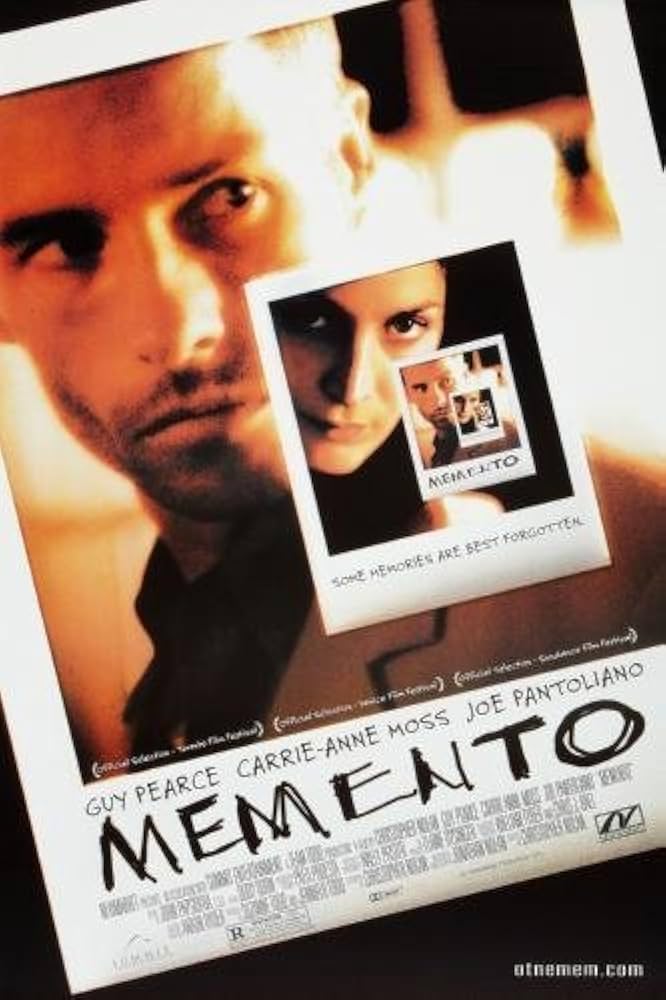
Christopher Nolan’s Memento (2000) is the cinematic equivalent of trying to put together IKEA furniture with the instructions written in a foreign language—only to realize halfway through that you’ve been reading them upside down. This mind-bending thriller is a masterpiece in nonlinear storytelling, an intricate puzzle box where every new piece changes the picture you thought you were assembling. It’s a film that demands your full attention and, let’s be honest, at least a second viewing to fully grasp just how bamboozled you’ve been.

The Plot: A Mystery in Reverse (Literally)

Leonard Shelby (Guy Pearce) has a problem, and not just the kind that gets solved with a good night’s sleep. He suffers from anterograde amnesia, meaning he can’t form new memories. Every few minutes, his mind resets, leaving him in a constant state of confusion about where he is, what he’s doing, and who just handed him a cup of coffee. His mission? To hunt down the man who attacked him and murdered his wife. His biggest challenge? He won’t remember what he’s learned five minutes later.

To compensate, Leonard tattoos vital information all over his body, jots down cryptic Polaroid notes, and generally looks like a walking conspiracy theorist’s dream board. The film itself is structured in two distinct timelines: a color sequence that plays in reverse order, revealing events from end to beginning, and a black-and-white sequence that moves forward. These two timelines eventually converge in a moment that makes you question everything you thought you knew—about the film, about memory, and possibly about your own life choices.

The Characters: Trust No One (Not Even Yourself)

Leonard, our protagonist, is the world’s most unreliable narrator, but it’s not his fault—his brain is basically running on a reboot loop. Guy Pearce delivers a brilliantly tormented performance, making us sympathize with a man whose entire reality is stitched together by fleeting moments of clarity and sticky notes.

Then we have Teddy (Joe Pantoliano), a grinning, fast-talking mystery wrapped in a Hawaiian shirt. He claims to be Leonard’s friend, but this is Memento, so that probably means he’s a lying, manipulative scumbag. Natalie (Carrie-Anne Moss) is a bartender who may or may not be helping Leonard out of kindness—or possibly just using him as an amnesiac attack dog for her own agenda. Basically, everyone in this film is about as trustworthy as a used car salesman offering you a “once-in-a-lifetime deal.”

The Genius of Nolan’s Storytelling

Memento is the film that put Christopher Nolan on the map, and for good reason. The structure is more than just a gimmick—it immerses us into Leonard’s fractured reality. By experiencing events in reverse, we feel the same disorientation and paranoia that he does. It’s like playing a game where the rules change every five minutes and nobody tells you what they are.

The film forces you to piece together the story just as Leonard does, with each scene recontextualizing the ones before it. One moment you think you have a handle on things, and the next, Nolan pulls the rug out from under you and leaves you flailing in an existential crisis.

The Big Twist (Because Of Course There’s a Twist)

What’s a good psychological thriller without a jaw-dropping twist? In Memento, it’s not just one big revelation—it’s a series of gut punches that make you question everything Leonard believes. Without giving away too much (but also, if you haven’t seen it by now, what are you waiting for?), let’s just say that Leonard’s search for justice is more complicated than it seems, and the “truth” is as slippery as a wet bar of soap.

By the time the credits roll, you’re left with a sinking feeling that the whole cycle is doomed to repeat itself. It’s a film that doesn’t just end—it lingers in your mind, making you rethink the entire movie on the drive home and possibly making you question your own memory in the process.

Final Thoughts: A Film That Messes With Your Brain (In the Best Way Possible)

Memento isn’t just a film—it’s an experience. It’s the kind of movie that rewards close attention and multiple viewings, each one revealing new layers of deception, manipulation, and tragic irony. It’s also a film that makes you want to start keeping better notes, just in case you wake up one day and forget where you put your car keys.

Christopher Nolan took what could have been a simple revenge story and turned it into one of the most innovative thrillers of all time. It’s a film that doesn’t just entertain—it challenges, frustrates, and ultimately blows your mind.

So if you haven’t seen it yet, grab a notepad, turn off your phone, and prepare to have your brain thoroughly scrambled. Just don’t forget to write down that you watched it.

The Beatles – Abbey Road

here are great albums, and then there is Abbey Road, which doesn’t just sit at the top of the mountain—it built the mountain, paved the road up it, and then casually walked across a zebra crossing on its way out. Released in 1969 as the Beatles’ last recorded album (yes, Let It Be technically came later, but let’s all agree to pretend that never happened in this timeline), Abbey Road is the sound of four geniuses who barely tolerate each other making some of the best music of their lives. It’s both a swan song and a defiant middle finger to anyone who thought they’d lost their touch, and if it weren’t for Sgt. Pepper’s Lonely Hearts Club Band hogging all the nostalgic glory, this would be the definitive Beatles album. Scratch that—maybe it is.

From the opening bass line of “Come Together,” where Paul McCartney’s groove is so thick you could spread it on toast, to the farewell whisper of “The End,” Abbey Road is a masterclass in reinvention. “Come Together” itself is a bluesy, slinky number that sounds like it was born in a smoky bar in a dream. It makes no lyrical sense whatsoever, but it’s so cool you don’t care. Then there’s “Something,” where George Harrison decides he’s had enough of being the quiet one and writes the greatest love song in the Beatles’ catalog, making Sinatra gush about how it was the best love song ever written (which is hilarious, considering he also thought it was a Lennon/McCartney tune).

McCartney, never one to be outshined, serves up “Oh! Darling,” a song where he howls like he’s been time-traveling with Little Richard, and “Maxwell’s Silver Hammer,” a whimsical little murder ditty that sounds like a children’s song if that child were a sociopath. Then there’s “Octopus’s Garden,” which is probably the only time anyone has ever been grateful for Ringo singing lead. It’s charming, it’s goofy, and somehow, it works—mostly because George Martin’s production is so pristine it could make an actual octopus cry tears of joy.

But let’s be honest, Abbey Road is really about that Side B medley, where McCartney, Lennon, and George decide to stop writing full songs and instead create a sprawling, perfectly stitched-together rock opera in miniature. “You Never Give Me Your Money” starts as a gentle lament before it becomes a carnival of rock and roll, “She Came In Through the Bathroom Window” is a cryptic fever dream that sounds way cooler than its story actually is, and by the time we hit “Golden Slumbers,” McCartney is singing like a man who knows this is the end of something historic. And then there’s “The End” itself, where Ringo finally gets his drum solo (a tasteful one, no less), and the three guitarists engage in an unprecedented six-string duel, before the Beatles bow out with the immortal words: “And in the end, the love you take is equal to the love you make.” It’s almost unbearably poetic.

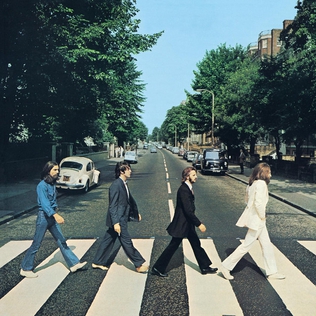
If Abbey Road were just a collection of songs, that would be one thing, but its cultural impact is immeasurable. That album cover alone—four men casually crossing the street—has been parodied, imitated, and worshiped to the point where tourists still risk getting flattened by London traffic just to recreate it. Sonically, it was groundbreaking, from its pioneering use of the Moog synthesizer to its meticulous production that set the gold standard for album recordings moving forward. Every major rock band in the ‘70s took notes from Abbey Road—Queen, Pink Floyd, even Zeppelin leaned into the idea that a rock album could be a fully realized piece of art rather than just a collection of singles.

So why is Abbey Road a top-five album of all time? Because it’s not just an album—it’s a myth. It’s the sound of the greatest band ever finding one last spark of unity before the inevitable implosion, of four men who changed the world choosing to go out not with a whimper, but with a masterpiece. It’s proof that music doesn’t just reflect culture—it creates it. And if we’re being honest, Abbey Road is so damn good, it almost makes you forget about Let It Be. Almost.

Worldwide Food Tour – England

A Culinary Symbol of Cornwall

Few dishes are as intrinsically linked to a place as the Cornish pasty is to Cornwall, England. This golden, crescent-shaped pastry has been a staple of Cornish life for centuries, woven into the cultural fabric of the region as both a practical meal and a symbol of local identity. While pasties exist in various forms around the world, the Cornish pasty is protected by Protected Geographical Indication (PGI) status, ensuring that only pasties made in Cornwall using traditional methods can bear the official name.

From the tin mines of the 18th and 19th centuries to modern-day bakeries and family kitchens, the Cornish pasty remains a beloved, hearty dish that represents the resourcefulness and culinary heritage of England’s rugged southwest.


The History: A Miner’s Best Friend

The Cornish pasty’s origins can be traced back to the 13th century, when similar pastry-wrapped dishes were eaten in England. However, it was during the 18th and 19th centuries that the pasty became synonymous with Cornwall, particularly among tin miners. These men worked long hours underground in dark, dangerous conditions, and they needed a meal that was both portable and sustaining.

The pasty was the perfect solution. Its thick, crimped edge served as a built-in handle, allowing miners to hold and eat the pasty without touching their food with dirty, arsenic-laden hands. Some pasties even had a savory filling on one side and a sweet filling on the other, providing both a main course and dessert in a single package.

Over time, the pasty became deeply embedded in Cornish culture, with generations passing down family recipes. Today, it remains an essential part of local food traditions, often celebrated at events like the World Pasty Championships held annually in Cornwall.


What is a Cornish Pasty?

A traditional Cornish pasty consists of a shortcrust or rough puff pastry encasing a filling of beef, potato, onion, and swede (rutabaga), all seasoned simply with salt and pepper. Unlike other meat pies, the filling is uncooked before baking, allowing the ingredients to steam inside the pastry, creating a distinctively rich and succulent flavor.

Key characteristics of an authentic Cornish pasty:

  • Shape: Always D-shaped with a crimped edge along one side
  • Filling: Beef, potato, onion, and swede—never pre-cooked
  • Seasoning: Only salt and pepper; no additional herbs or gravy
  • Pastry: A sturdy yet flaky crust designed to hold its shape

Once assembled, the pasty is baked until golden brown, developing a crispy, slightly blistered crust that locks in the filling’s juices.


Tasting Notes: A Hearty, Comforting Bite

A warm Cornish pasty delivers an immediate sense of comfort. The crust is crisp and slightly crumbly, giving way to a tender, buttery texture that contrasts beautifully with the steaming filling inside.

The beef is juicy and rich, enhanced by the natural sweetness of swede and onion. The potatoes add a soft, starchy element that binds the flavors together. Seasoned with just salt and pepper, the pasty allows the natural savoriness of the ingredients to shine without overpowering the dish.

A well-made Cornish pasty is deeply satisfying, offering a perfect balance of textures and flavors in every bite. It’s substantial but not heavy, making it an ideal meal on the go or a nostalgic taste of Cornwall’s working-class history.


Beyond Cornwall: A Global Favorite

Though firmly rooted in Cornwall, the pasty has traveled far beyond England’s borders. In the 19th century, Cornish miners emigrated to places like Michigan (USA), Australia, and Mexico, taking their beloved pasty with them. Today, pasties remain a staple in Michigan’s Upper Peninsula, where they are often served with gravy or ketchup—a regional twist.

Despite these adaptations, the Cornish pasty remains one of England’s most iconic dishes, a timeless comfort food that continues to tell the story of Cornwall’s history, resilience, and culinary tradition.

New Haven Apizza

If you think you know pizza but haven’t tried New Haven apizza, prepare for a revelation. This Connecticut-born classic isn’t just a regional variation—it’s an institution. Locals (and pizza purists) will tell you it’s not just pizza; it’s apizza (pronounced ah-beetz, thanks to its Neapolitan dialect roots). And if you’re expecting something soft, foldable, and loaded with cheese, think again. New Haven-style apizza is a blistered, charred, chewy masterpiece that’s as much about texture as it is about flavor.

New Haven’s pizza legacy started with Italian immigrants in the early 20th century, particularly Frank Pepe, the man who put this style on the map. In 1925, Pepe opened Frank Pepe Pizzeria Napoletana, serving up coal-fired pies with his now-famous white clam pizza. Not long after, rival pizzerias like Sally’s Apizza and Modern Apizza emerged, each perfecting their own take on this iconic style. Unlike the more famous New York-style pizza, which leans on a balanced crust-to-topping ratio and a slight crispiness, New Haven apizza is all about the crust—thin, crisp on the bottom, airy inside, and charred to perfection in a coal-fired oven.

Let’s talk about that char. New Haven apizza is intentionally cooked at blistering hot temperatures (sometimes over 600°F), which gives it a signature blackened, crispy exterior. Don’t be alarmed by those dark spots—it’s not burnt; it’s perfectly charred, adding a smoky depth of flavor that’s completely unique. The dough itself is made with high-protein flour, fermented longer than usual to develop complex flavors, and stretched into an irregular, oblong shape—so don’t expect a perfectly round pie.

Then there’s the sauce-to-cheese ratio, which in New Haven is refreshingly sparse. A traditional “plain” apizza (tomato pie) features little more than a thin layer of tangy tomato sauce, oregano, garlic, and a drizzle of olive oil—no cheese unless you ask for it (mootz, short for mozzarella). That’s right, cheese is optional here. Order a plain pie without specifying “mootz,” and you’ll get a saucy, crispy, dairy-free experience that lets the ingredients shine in their purest form. If you do opt for mozzarella, it’s typically applied in moderation rather than covering the entire pizza.

Of course, we can’t talk about New Haven apizza without mentioning its most famous creation: the white clam pie. This local legend, first made at Frank Pepe’s, is an absolute must-try. Imagine a garlicky, olive oil-based pizza topped with freshly shucked littleneck clams, grated pecorino Romano, and a sprinkle of oregano—it’s briny, rich, and utterly addictive. No red sauce, no mozzarella, just pure seafood-meets-charred-dough magic. It might sound unusual, but one bite, and you’ll understand why people drive for hours just to get their hands on it.

Beyond clams, other classic New Haven toppings include hot cherry peppers, sausage, and fresh tomato (which is typically added post-bake for a bright, juicy contrast). But no matter what toppings you choose, the beauty of apizza lies in its balance—crispy, chewy crust, minimalist toppings, and that unmistakable coal-fired flavor.

Despite its deep roots in New Haven, apizza has started making waves beyond Connecticut. Devoted fans and former Yale students have helped spread the gospel of charred pies to other cities, with New Haven-style pizzerias popping up in places like New York, Boston, and even Los Angeles. But for the truest experience, nothing beats the original. Whether you’re biting into a classic tomato pie at Sally’s, indulging in a white clam pie at Pepe’s, or grabbing a crispy, cheesy slice at Modern, one thing is for sure—New Haven apizza is one of America’s greatest contributions to the pizza universe.

So, if you ever find yourself in the Elm City, do yourself a favor: order a large pie, embrace the char, and remember to call it apizza.