Goal Met: Visit my family’s hometown [Day 1]

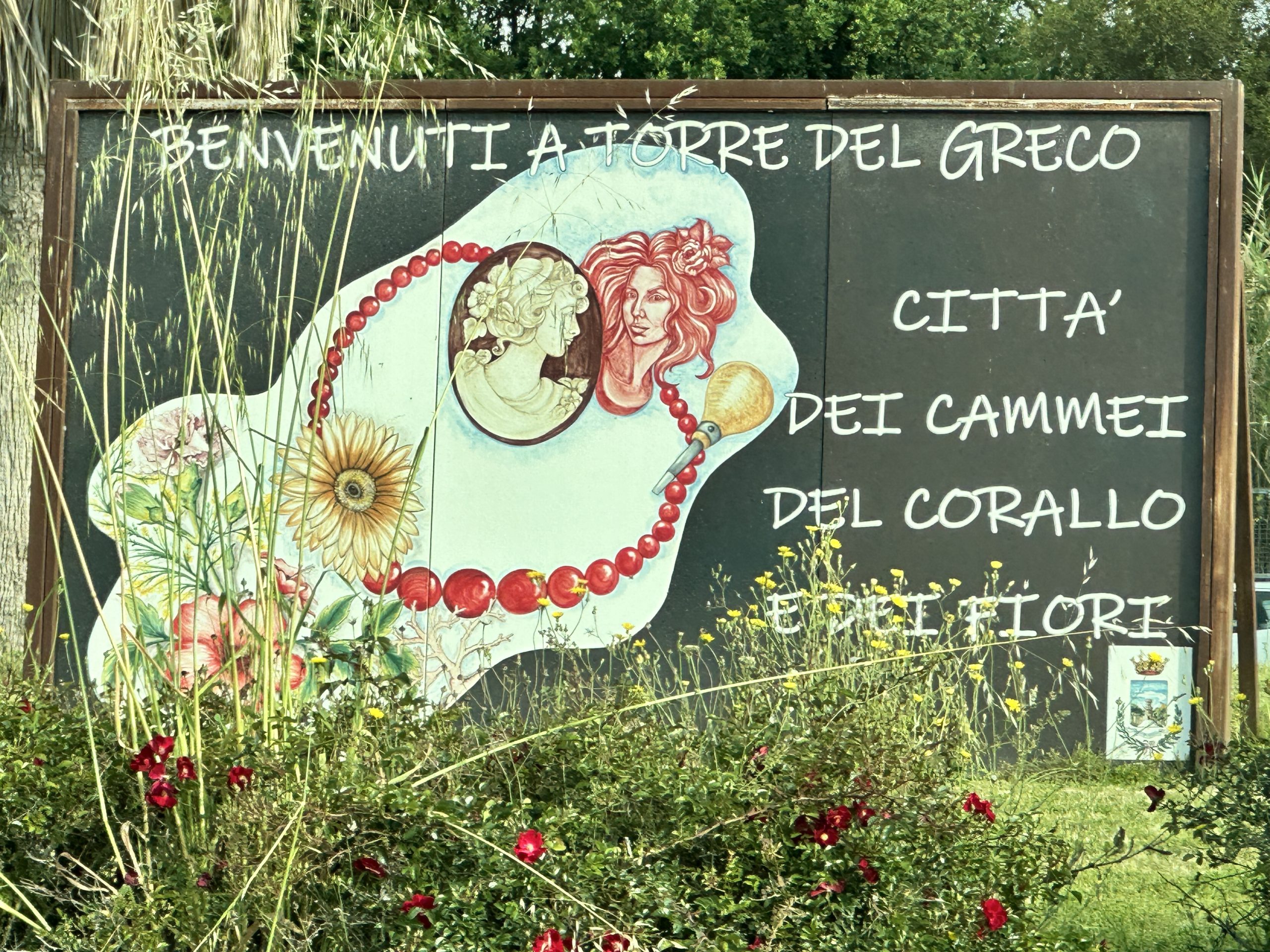
My father is an immigrant from a town near Naples called ‘Torre Del Greco’ or Tower of the Greek in English. I’ve seen old black and white photos of the place and have heard a few stories but I’ve always wanted to go to there. Especially since I have family there I’ve met only once, or extended family I’ve never met at all. It’s not really a tourist hot spot so the couple of times I’ve been to Italy it didn’t make sense to find my way there but I knew this bucket list item needed to be done this year. It’s one of the ones I truly wanted to check off my list.

So I reached out to my dad and convinced him to go back (it has been close to 15 years for him), be the de facto tour guide and help me to meet all my extended family that still live in this beautiful region. We booked the flight (step-mom decided to tag along which was great) arranged all the visits and were lucky enough that my dad’s cousin insisted we stay with her at her town home in downtown Torre Del Greco (right by the port).

We landed in Naples International after our red eye flight. It was a relatively small airport all things considered and we met my dad’s cousin’s son Fabio who then drove us to her townhouse where we decompressed from the long flight with some espresso and Italian cookies (which will be a theme the whole week) which was needed because we immediately left the place to go visit some more family.
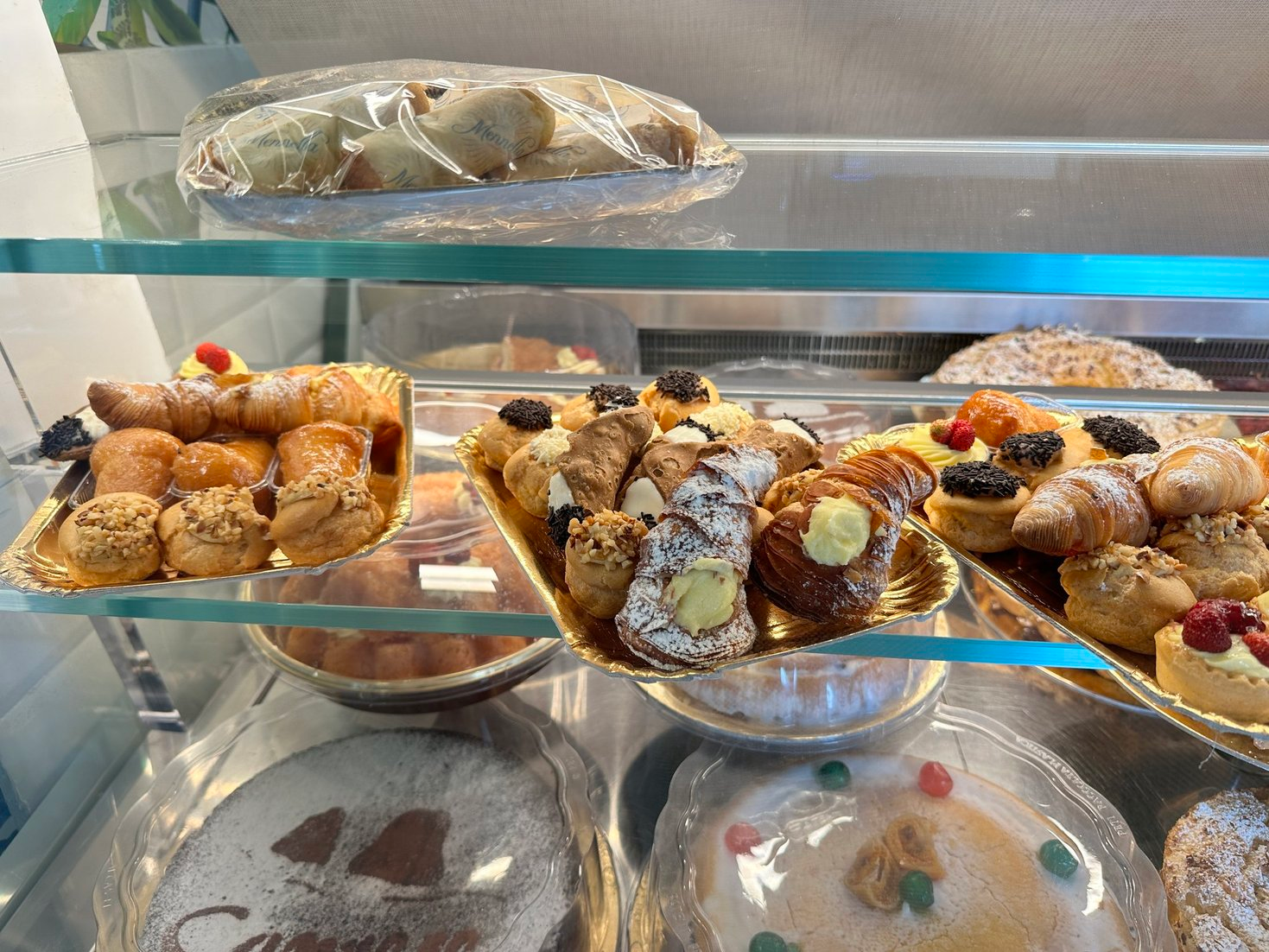
But first – we had to stop for a pastry and a coffee! We went to one of Samina’s favorite pastry shops where I got a cornetto filled with nutella and some more coffee (even ordered in Italian which I was inordinately proud of). I also determined during my stay here that I really need to lean into Italian pastry making – something I’ve struggled with in the past but after a week of eating there I’m determined to master
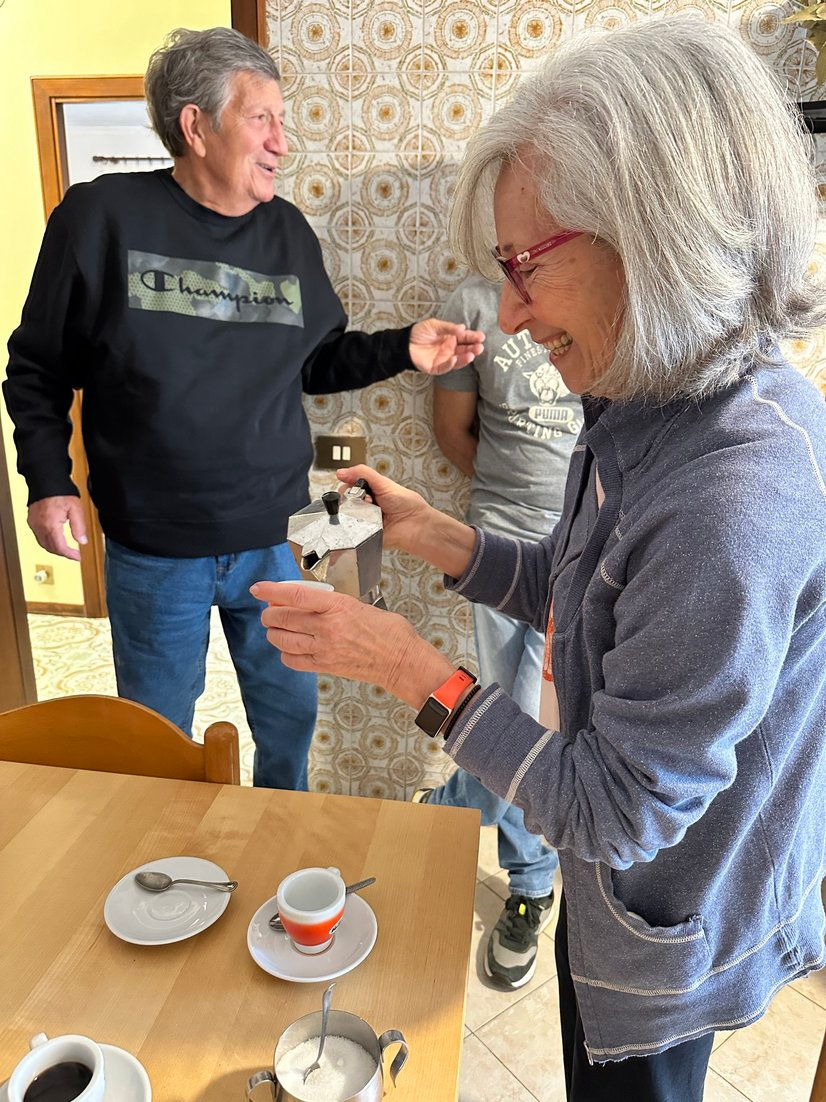
We then stopped by the house of more relatives – Mary Ann and her son Rafaele (who will come into this story later) and we had more coffee and cookies as my dad caught up with everyone. I struggled to understand a lot of it because although I was learning Italian, they were speaking a thick dialect commonly used in Naples. Still, I managed to get the gist of the conversation and it was a lovely time. I explained that I wanted to see where my dad grew up and explore the town and Rafaele quickly volunteered to drive us around and show me all the places from their childhood.

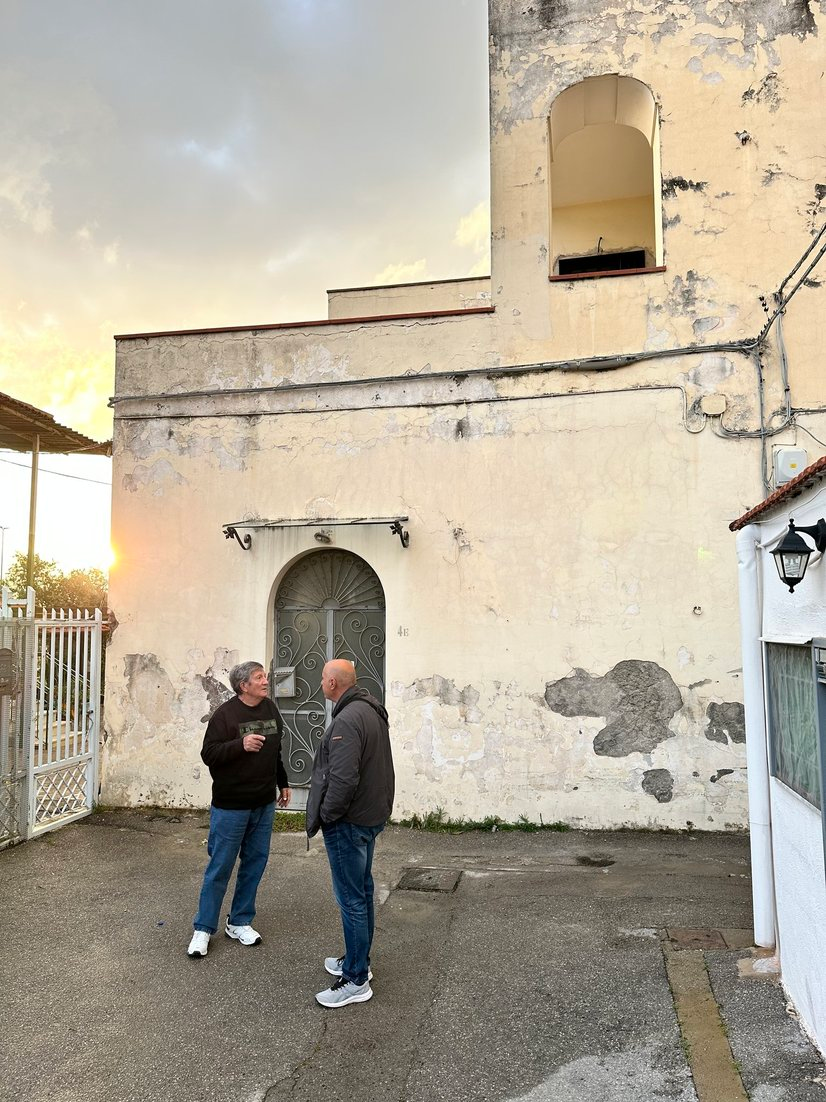
We started with the apartment my dad grew up in – it was along a winding road and up the mountain a bit then down a very small lane.
Oh, I should note that Mt. Vesuvius is everywhere you look in this town it’s a prominent part of the history of the town and I spent a lot of time on it but that’s for a different part of this story.

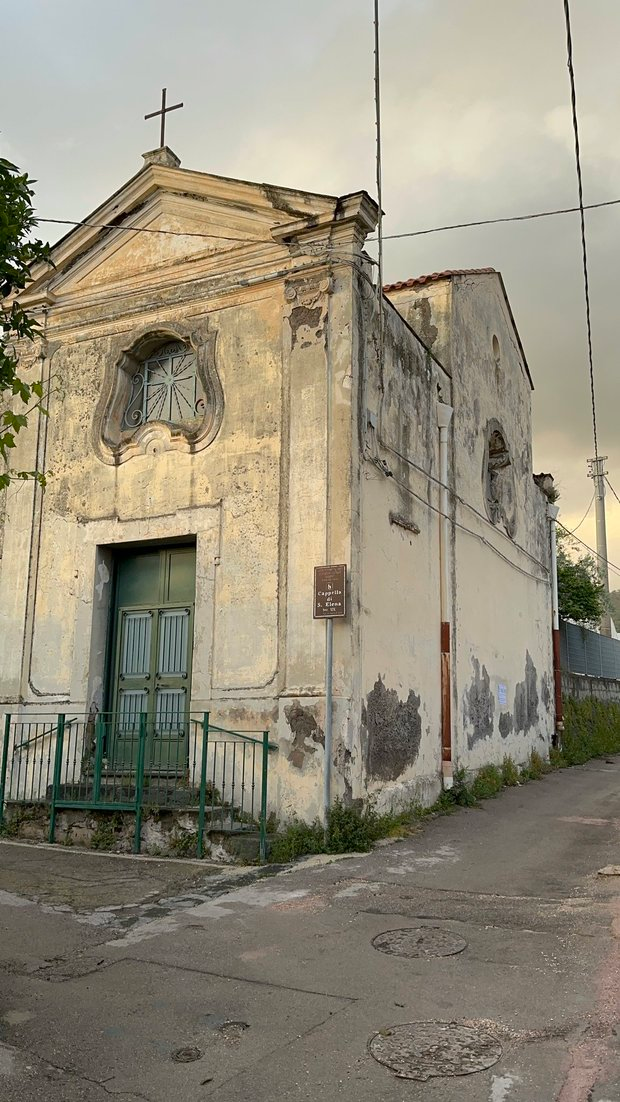
We then visited the church they went to which seemed abandoned which is a shame because there’s an organ in there that my grandfather helped pay for and there’s a plaque thanking him and I really wanted to see it – however I didn’t want to break into a church so I settled for just looking in.
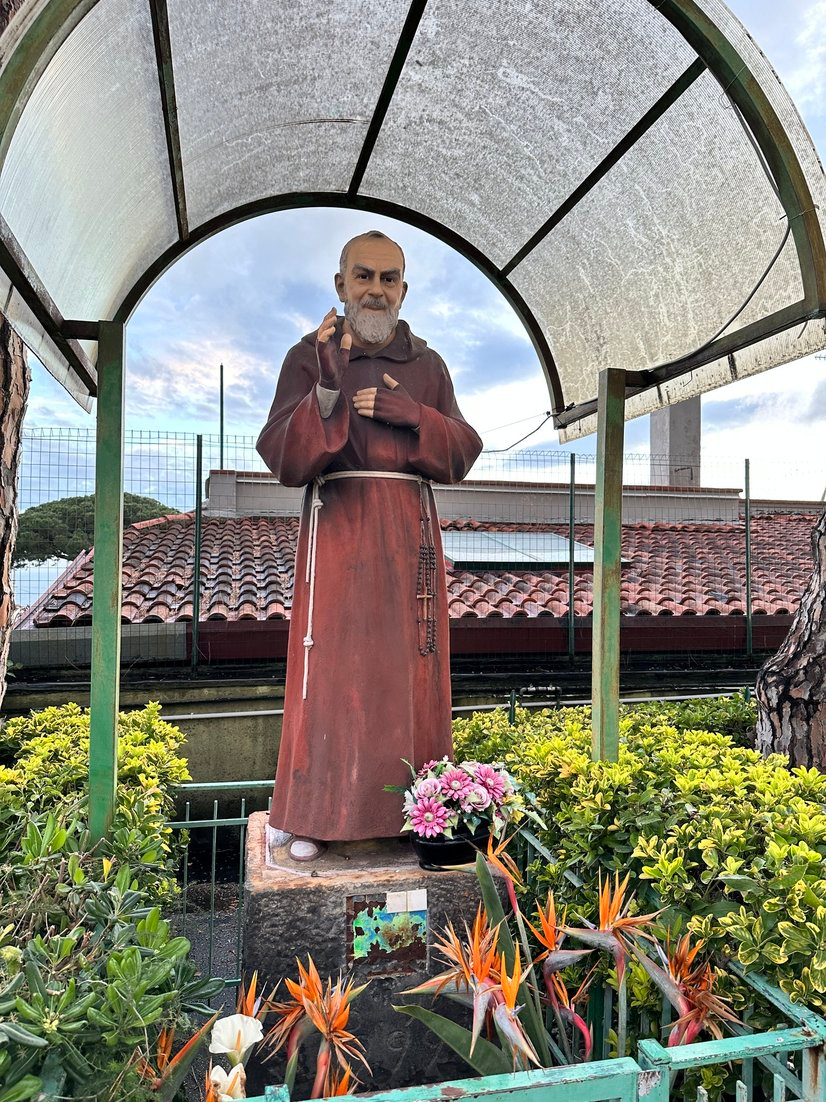
We then visited a bigger church where the priest that serviced my dad’s church was based and where they had some of the bigger celebrations. It has a statue of padre pio – the patron saint of the area and kind of a big deal (I remember my great aunt had a picture of him on her nightstand) this church was also a bit run down but seemed active and the grounds were well maintained.
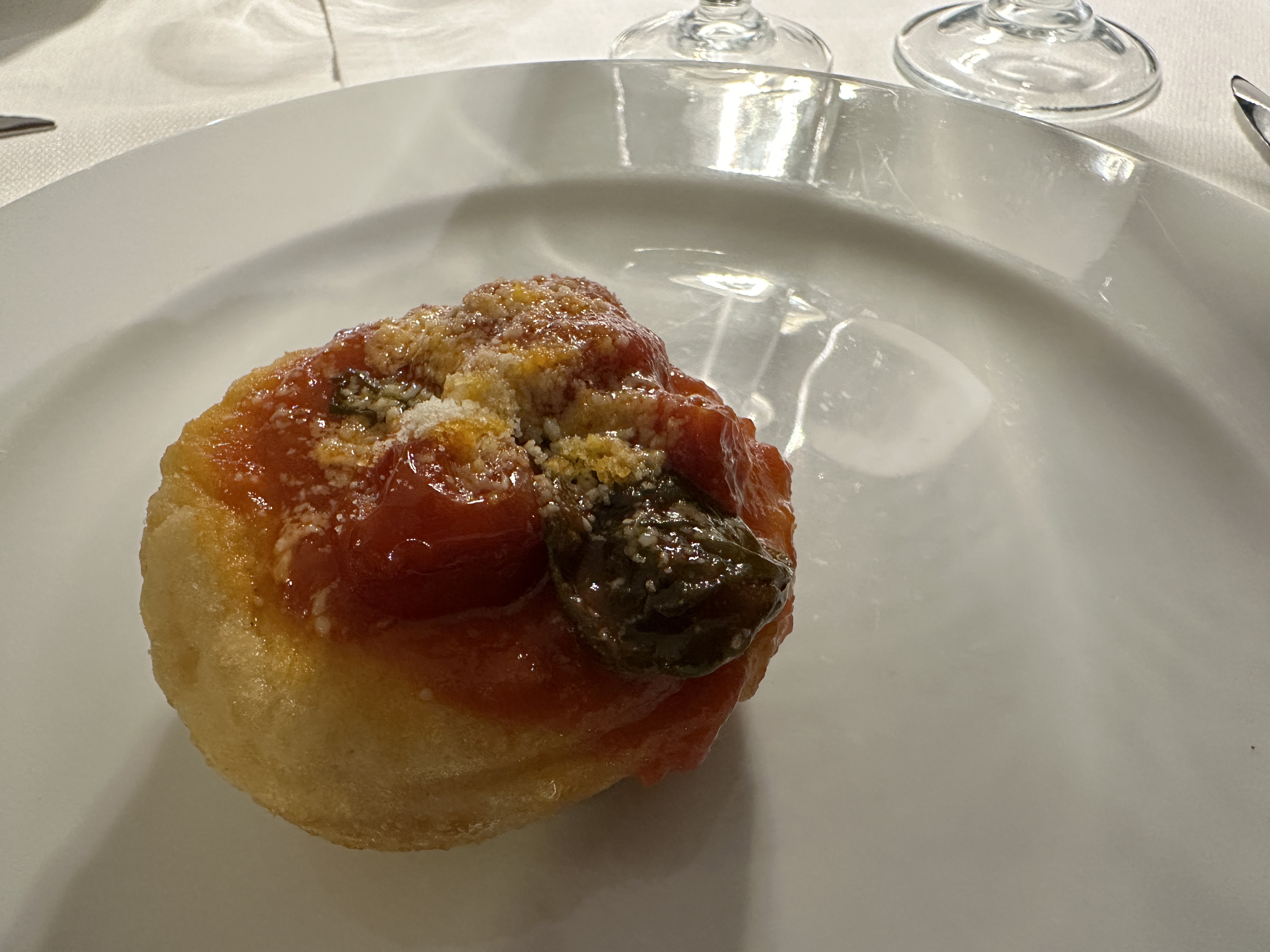
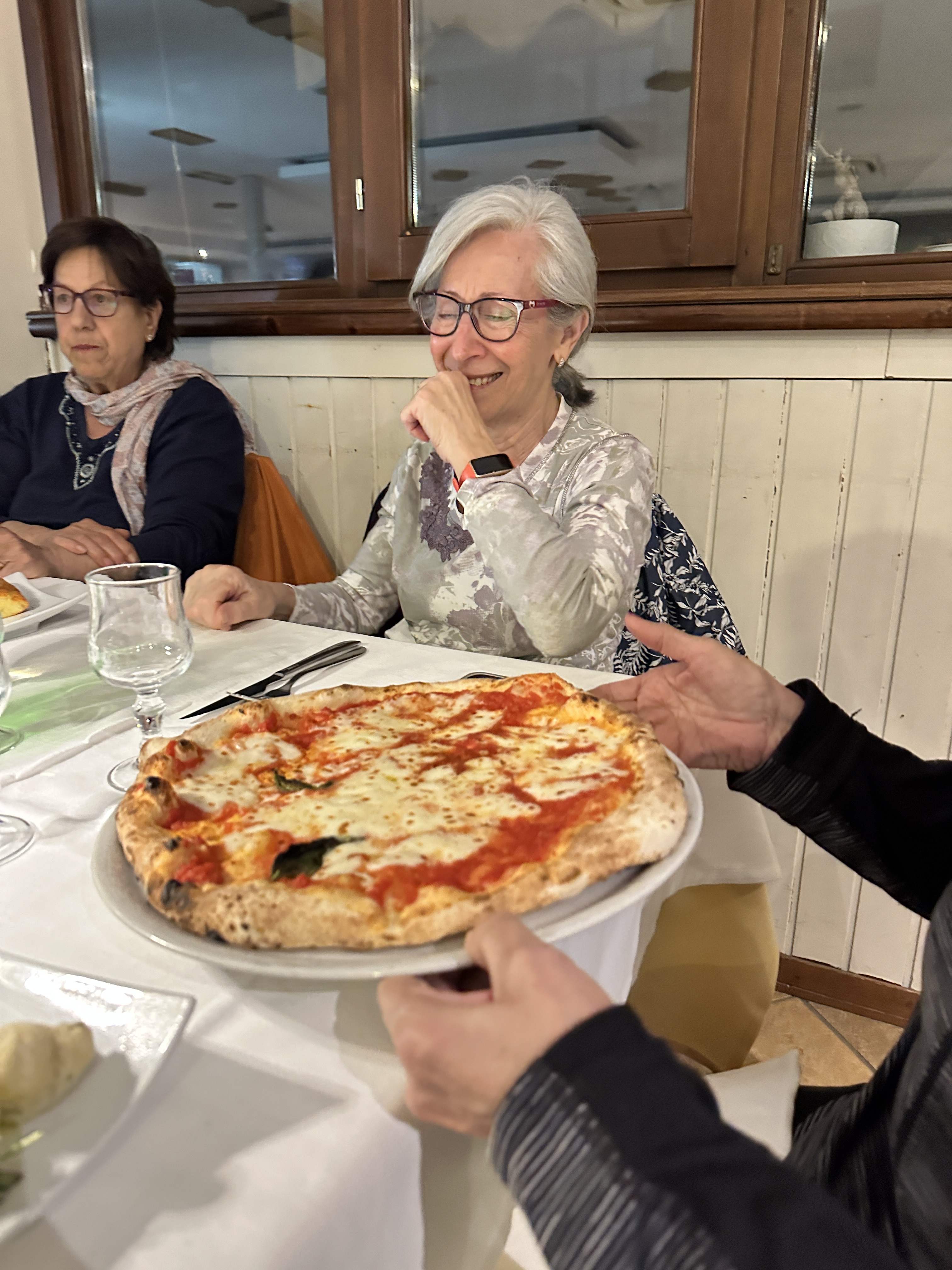
Having run around the town all day we decided to all go out to dinner so they brought me to a pizza place that I swear was called ‘New York Pizza’ – I thought they were messing with me but they insisted the pizza was good. I was very excited to have my first real neapolitan pizza in southern Italy and they made an amazing margherita pizza and I was exposed to the wonders of the pizza fritte (which I’m still going to try to make this year as one of my 50 pizzas)
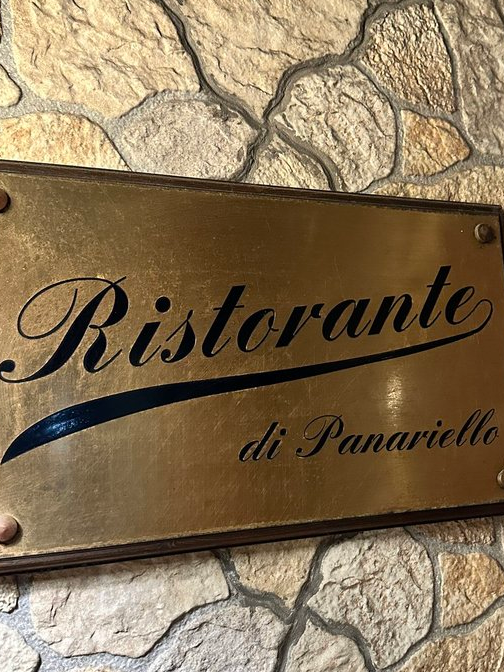
Now very tired from a long flight and a long day we walked out of the pizza place and I was stopped short by a large gold sign that took me a few seconds to process – did I somehow own a pizza place in Italy? Was I destined to be a pizzaolo?
General Notes and observations from day 1:

In Torre Del Greco is there’s lots of ‘death sign’s everywhere – when someone dies, they make a big poster of them with a photo and some details and then stick on a random wall in town. Some are just paper, others are legit plaques. It’s a bit – strange, but who am I to judge local customs?

Barely slept during the flight in – because I was seated next to a literal giant who took up all the available space and made it extremely difficult to get any sleep.  I did manage a quick nap in the middle of the day due to some downtime waiting for the crew at Ann Marie’s to assemble. That nap helped quite a bit as we ended up getting dinner at 9:00 pm at night. 

The roads are a mix of cobbles and concrete blocks with the rare paved road. The cars are all small compact versions (Fiat 500 is the most popular) and there’s nary a stoplight to be found – the cars all just kind of go and figure it out on the fly. Although, I did witness a few accidents – small bumper scrapes (probably from the very very narrow roads that we had to traverse). Mt. Vesuvius is ever present but the rainy weather obscured  the top of the mountain. The islands of Capri and Ischerra are clearly visible from the port area and the sea looks beautiful (if a bit choppy)

The Scooters.. oh man. They are a menace – weaving in and out of traffic with absolute disregard for the very idea of traffic laws. Kids hanging off the sides of scooters. Three people riding on a vespa. weaving in and out of traffic in very tight margins. I’m guessing it’s just the way it is in this part of the world but it sure is nerve wracking to watch!


Goal Met: Read 50 books

OK – this one was a gimme. In fact, I was seriously considering making it 100 books since I’ve always been a heavy reader – as a small kid I remember sitting up at night with a flashlight reading cheesy sci-fi novels under the covers to get that little bit of adventure before going to sleep way too late and nodding off at my desk at school the next day. Not much has changed other than my kindle has it’s own light now, so I no longer need the flashlight.

I decided to lean into non-fiction information books a bit more. I usually go through 3-5 non fiction books a year but wanted to broaden my knowledge a bit more and started selecting books that I thought were interesting or were recommended one of the many podcasts that I was listening to.

I ended up with 15 non fiction books out of 50 total – considering how dry some of these books were I thought that was a pretty good clip. I also tended to take those kinds of books out from the library so I don’t have the convenience of the kindle ecosystem – making it a bit harder to find time to read them.

See, the thing with a kindle (and the kindle app on my phone) is that I can read anytime I have a free moment. Lunchtime at work? Sandwich and a story. Long train ride? Story time! Relaxing on the beach? Why yes, I’ll read this ‘summer reading’ selection thanks for asking. This really came into focus when I started removing social media from my phones – leaving me with blocks of time I had spent doom scrolling that needed to be filled. So I filled them with words.. thousands of words.. 27,000 words to be exact.

You see I don’t go for thin books, don’t get me started on those slim novels.. I like my books Thicc. Epic fantasy series? Yes please. Long complicated science fiction novel? Beam me up. Multi book series are my jam – I’ll rip through the whole series one after another. I can’t help myself. My lifetime of reading has trained me to read fast and still comprehend everything I’ve read. (Although There have been times when the prose was so beautiful I felt the need to go back and savor it)

Now the funny thing is I hit 50 books only 7 months into this so I’ve still got 5 months left of reading and I’m not committing to 100 books but it’s in the realm of possibility.

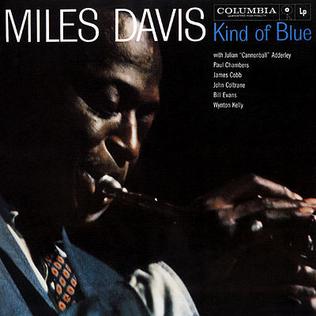
Miles Davis – Kind of Blue

Alright, cool cats and jazz aficionados, it’s time to dim the lights, pour a finger of whiskey, and lose ourselves in the sublime soundscape of Miles Davis’ “Kind of Blue.” This isn’t just an album; it’s a portal to a smoky, late-night realm where time slows down and every note hangs in the air like a fragrant wisp of cigarette smoke.

When “Kind of Blue” first graced turntables in 1959, it didn’t so much drop as it oozed into existence, like spilled ink spreading across the fabric of jazz history. Miles and his all-star sextet took the concept of modal jazz, ran it through a filter of pure cool, and emerged with something so effortlessly hip it makes even your coolest uncle look like a square.

“So What” kicks things off with Paul Chambers’ iconic bass line, a musical question mark that sets the tone for the entire album. Miles’ trumpet enters like a smooth-talking stranger at a bar, and before you know it, you’re five drinks deep in a conversation about the meaning of life. It’s the musical equivalent of a perfectly tailored suit – timeless, elegant, and oh-so-cool.

Coltrane takes center stage on “Blue in Green,” his saxophone weaving a tapestry of melancholy so beautiful it could make a statue weep. This track isn’t just sad; it’s existential crisis sad, it’s “staring out the window on a rainy day questioning every decision you’ve ever made” sad. But, you know, in a good way.

“All Blues” swings in with a groove so laid-back it’s practically horizontal. This is the sound of five masters at the top of their game, having a musical conversation so intimate you almost feel like you should leave the room. Miles’ muted trumpet here is like a whisper in a crowded room – soft, but impossible to ignore.

Let’s talk about the improvisational nature of this album for a hot second. Legend has it that the sextet had minimal rehearsal before recording, with Miles giving only basic instructions. The result is jazz in its purest form – spontaneous, alive, and utterly captivating. It’s like watching a tightrope walker perform without a net, knowing that any misstep could spell disaster, but instead witnessing pure magic.

The production on “Kind of Blue” is as crisp and clear as a winter morning. Every instrument has room to breathe, every note rings true. It’s the kind of album that makes audiophiles weep with joy and reach for their most expensive headphones.

“Kind of Blue” isn’t just an album; it’s a mood, a vibe, a state of mind. It’s the soundtrack to every late-night contemplation, every rainy Sunday morning, every moment when you need to just… be. It’s jazz distilled to its very essence, stripped of pretension and delivered with an almost supernatural cool.

In essence, this record is like finding a hidden jazz club where the greatest musicians in history are just jamming for the hell of it. It’s intimate, it’s profound, it’s the very definition of timeless.

So, should you listen to “Kind of Blue”? Does a bear… ah, you know what, let’s not even finish that tired old phrase. Of course you should listen to it. It’s not just recommended; it should be prescribed by doctors for the treatment of chronic uncoolness. Just be prepared: this album might just ruin all other music for you. Now, if you’ll excuse me, I’ve got a sudden urge to don a beret, snap my fingers rhythmically, and use the word “cat” unironically. Because after “Kind of Blue,” we’re all a little bit cooler, a little bit more introspective, and a whole lot more aware of the boundless possibilities of five musicians in a room, creating magic out of thin air.

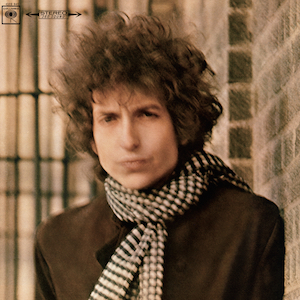
Bob Dylan – Blonde on Blonde

Alright, gather ’round, you jingle-jangle morning chasers and poetic puzzle enthusiasts. We’re about to dive into the lyrical labyrinth that is Bob Dylan’s “Blonde on Blonde.” This isn’t just an album; it’s a Rosetta Stone for decoding the human condition, wrapped in a double LP that’s as thick as a Midwestern accent and twice as intriguing.

Released in 1966, “Blonde on Blonde” hit the scene like a surrealist painting come to life, stumbling out of a smoky Greenwich Village café and into the mainstream. It’s as if Dylan took the English language, put it in a tumbler with some amphetamines and beat poetry, then poured out pure, distilled genius.

Let’s start with “Rainy Day Women #12 & 35,” shall we? This carnival of chaos kicks off the album like a drunken marching band crashing a funeral. With its woozy brass and Dylan’s gleeful proclamation that “Everybody must get stoned,” it’s either a coded drug reference or the world’s most rollicking Old Testament allusion. Either way, it sets the tone for an album that’s about as straightforward as a corkscrew.

“Visions of Johanna” slithers in next, a seven-minute fever dream that’s denser than a neutron star and just as likely to warp your perception of reality. Dylan’s stream-of-consciousness lyrics paint a picture so vivid yet so abstract, it’s like trying to describe a Dali painting to a blind man while high on laughing gas. “The ghost of electricity howls in the bones of her face”? I mean, come on! That’s not songwriting; that’s linguistic alchemy.

“I Want You” provides a brief respite of relatively straightforward desire, though in Dylan’s hands, even a love song becomes a kaleidoscopic journey through want and need. It’s catchy enough to be pop, but weird enough to remind you that you’re still in Dylan’s funhouse mirror world.

But let’s talk about “Stuck Inside of Mobile with the Memphis Blues Again.” This track is a parade of characters so colorful, they make Sgt. Pepper’s Lonely Hearts Club Band look like a bunch of accountants on casual Friday. It’s a song that manages to be both nonsensical and profound, like overhearing a philosophical debate in a madhouse.

And then there’s “Sad Eyed Lady of the Lowlands,” the epic 11-minute closer that takes up an entire side of vinyl. It’s a love song, a riddle, and a fever dream all rolled into one. By the time Dylan’s done spinning his web of imagery, you’ll feel like you’ve just read a Russian novel backwards while riding a merry-go-round.

Producer Bob Johnston deserves a medal for herding these musical cats into some semblance of an album. The sound is as mercurial as Dylan’s lyrics, shifting from raucous blues to tender balladry with the ease of a chameleon changing colors.

“Blonde on Blonde” isn’t just an album; it’s a Rorschach test in musical form. It’s the sound of the 1960s counter-culture distilled into a potent brew of folk, rock, blues, and pure, uncut Dylan. It’s an album that doesn’t just reward repeated listens; it demands them, revealing new layers of meaning with each spin.

In conclusion, “Blonde on Blonde” is like that weird dream you had after falling asleep reading Allen Ginsberg while a blues record played in the background. It’s confusing, exhilarating, and utterly captivating. It’s not just music; it’s a full-body experience that’ll leave your mind buzzing and your dictionary weeping.

So, should you listen to “Blonde on Blonde”? Does a one-legged duck swim in circles? Of course you should! Just don’t expect to understand it all on the first… or fiftieth listen. This album isn’t a quick fix; it’s a lifelong companion that’ll keep you company on rainy days, sunny days, and those strange, in-between days when reality seems just a bit off-kilter. Kind of like Bob himself.

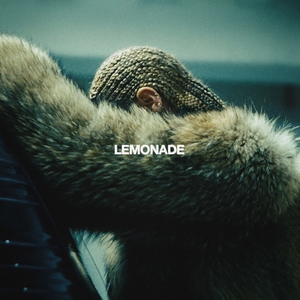
Beyonce – Lemonade

Buckle up, Beyhive, because we’re about to dive into the sweet, sour, and downright electrifying world of Beyoncé’s “Lemonade.” This isn’t just an album; it’s a cultural reset, a visual feast, and a masterclass in turning personal pain into artistic triumph.

When “Lemonade” dropped in 2016, it didn’t just break the internet – it made the internet its personal lemonade stand. Queen Bey took her marital strife, mixed it with black feminism, stirred in some Southern gothic imagery, and served it up with a side of “boy, bye.”

“Pray You Catch Me” opens the album like a quiet storm, all hushed vocals and simmering tension. It’s the calm before the hurricane, with Beyoncé’s vulnerability on full display. You can almost hear the sound of a marriage cracking beneath the weight of suspicion and betrayal.

Hold up (they don’t love you like I love you)! “Hold Up” swings in with a baseball bat and a sunny disposition, demolishing expectations and fire hydrants with equal glee. It’s a jealous woman’s fever dream set to a Caribbean beat, with Beyoncé channeling both rage and playfulness in a yellow Roberto Cavalli dress.

“Don’t Hurt Yourself” is where things get really heated. Featuring Jack White and sampling Led Zeppelin, this track is a molotov cocktail of rock and soul. Beyoncé isn’t just angry; she’s incandescent with fury, her voice a blowtorch of emotion that threatens to burn the whole patriarchy down.

Let’s talk about “Formation” for a hot second. This isn’t just a song; it’s a manifesto. It’s Beyoncé planting her flag in the cultural landscape and daring anyone to try and remove it. From “I got hot sauce in my bag (swag)” to “I like my baby heir with baby hair and afros,” every line is quotable, meme-able, and absolutely essential.

The production on “Lemonade” is as varied as Bey’s emotional journey. From country twang (“Daddy Lessons”) to piano balladry (“Sandcastles”), from trap beats (“6 Inch” feat. The Weeknd) to rock swagger (“Don’t Hurt Yourself”), the album refuses to be pinned down to any one genre.

“Lemonade” isn’t just an album; it’s a multimedia experience. The accompanying film is a visually stunning journey through Beyoncé’s psyche, mixing spoken word, poetry, and breathtaking imagery to create something truly unique in the pop landscape.

In essence, this album is like going to couples therapy with a stadium full of people, where the therapist is a goddess in designer clothes, and the session ends with everyone learning a new dance routine. It’s personal, it’s political, it’s pop culture at its most potent.

So, should you listen to “Lemonade”? Is water wet? Does the sun rise in the east? Of course you should! Just be prepared: this album might just inspire you to start your own revolution, smash some car windows (legally and safely, of course), or at the very least, upgrade your hot sauce game. Now, if you’ll excuse me, I’ve got a sudden urge to put on my most fabulous outfit and strut down the street like I’m in my own personal Beyoncé video. When life gives you lemons, you make “Lemonade” – and then you slay all day.

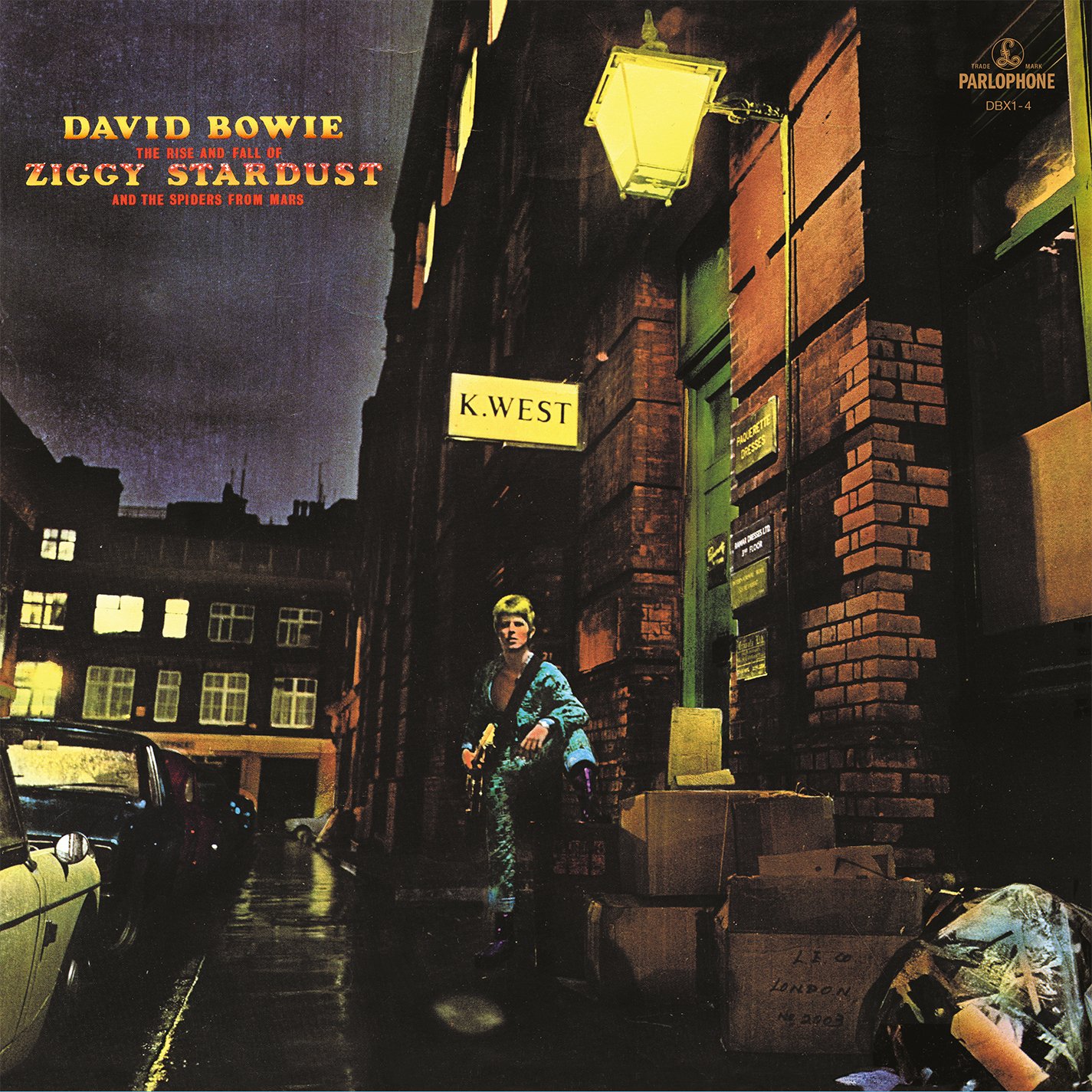
David Bowie – Ziggy Stardust

Alright, space cadets and glam rock aficionados, strap yourselves in. We’re about to blast off into the stratosphere of musical innovation with David Bowie’s “The Rise and Fall of Ziggy Stardust and the Spiders from Mars.” This isn’t just an album; it’s an intergalactic rock opera that’ll make you question your sexuality, your fashion choices, and possibly your entire existence.

Released in 1972, this record crash-landed onto Earth like a fabulous UFO piloted by a bisexual alien rock god. It’s as if Bowie looked at the music scene of the early ’70s and thought, “Needs more stardust and androgyny.” And boy, did he deliver.

Let’s start with “Five Years,” shall we? The album opener creeps in like an existential crisis wearing platform boots. Bowie’s voice, fragile yet powerful, delivers the news of Earth’s impending doom with all the drama of a Shakespearean actor who’s accidentally wandered onto a sci-fi movie set. By the time the strings swell to their climax, you’ll be ready to throw on some glitter and face the apocalypse in style.

“Moonage Daydream” swaggers in next, with a riff so chunky you could serve it on a platter at a glam rock buffet. Mick Ronson’s guitar work here is filthier than the floor of a dive bar after last call. And those lyrics? “I’m an alligator, I’m a mama-papa coming for you”? It’s like Bowie threw a dictionary in a blender and poured the results into a lava lamp.

Now, let’s talk about “Starman.” This track is catchier than the common cold at a kindergarten. That chorus will hook you faster than you can say “Hey babe, your hair’s alright.” It’s the musical equivalent of a warm hug from a sparkly alien – comforting, yet slightly unsettling.

“Ziggy Stardust,” the titular track, struts onto the scene like it owns the place – and honestly, it does. It’s a character study so vivid you can practically see the “screwed-up eyes and screwed-down hairdo.” Bowie paints a picture of rock ‘n’ roll excess so compelling that you’ll want to start your own band, if only to experience a fraction of Ziggy’s wild ride.

But the real knockout punch comes with “Rock ‘n’ Roll Suicide.” Starting as a quiet reflection and building to a life-affirming climax, it’s like watching a supernova in slow motion. When Bowie screams “You’re not alone!” it’s enough to make even the most jaded listener want to throw their hands up and embrace the nearest stranger.

Producer Ken Scott deserves a Nobel Prize in Chemistry for the way he alchemized these disparate elements into audio gold. The album sounds both intimately raw and cosmically polished, like it was recorded in a dive bar on Mars.

“Ziggy Stardust” isn’t just an album; it’s a portal to another dimension where rock stars are messiahs, guitars are interstellar communicators, and glitter is a basic food group. It’s a concept album that actually works, telling a story so compelling you’ll want to cancel your Netflix subscription and just listen to this on repeat.

In conclusion, “The Rise and Fall of Ziggy Stardust and the Spiders from Mars” is like that one wild night out that changes your life forever. It’ll reshape your musical taste, expand your mind, and probably inspire you to raid your mom’s makeup drawer. It’s not just ahead of its time; it exists outside of time altogether, in a glamorous pocket dimension where Bowie reigns eternal.

So, should you listen to “Ziggy Stardust”? Is water wet? Is space vast? Is Bowie the Starman waiting in the sky? The answer is a resounding yes. Just be prepared: once Ziggy gets inside your head, he’s not leaving anytime soon. And trust me, you wouldn’t want him to anyway. This album doesn’t just rock – it transcends.

Worldwide Food tour – Croatia

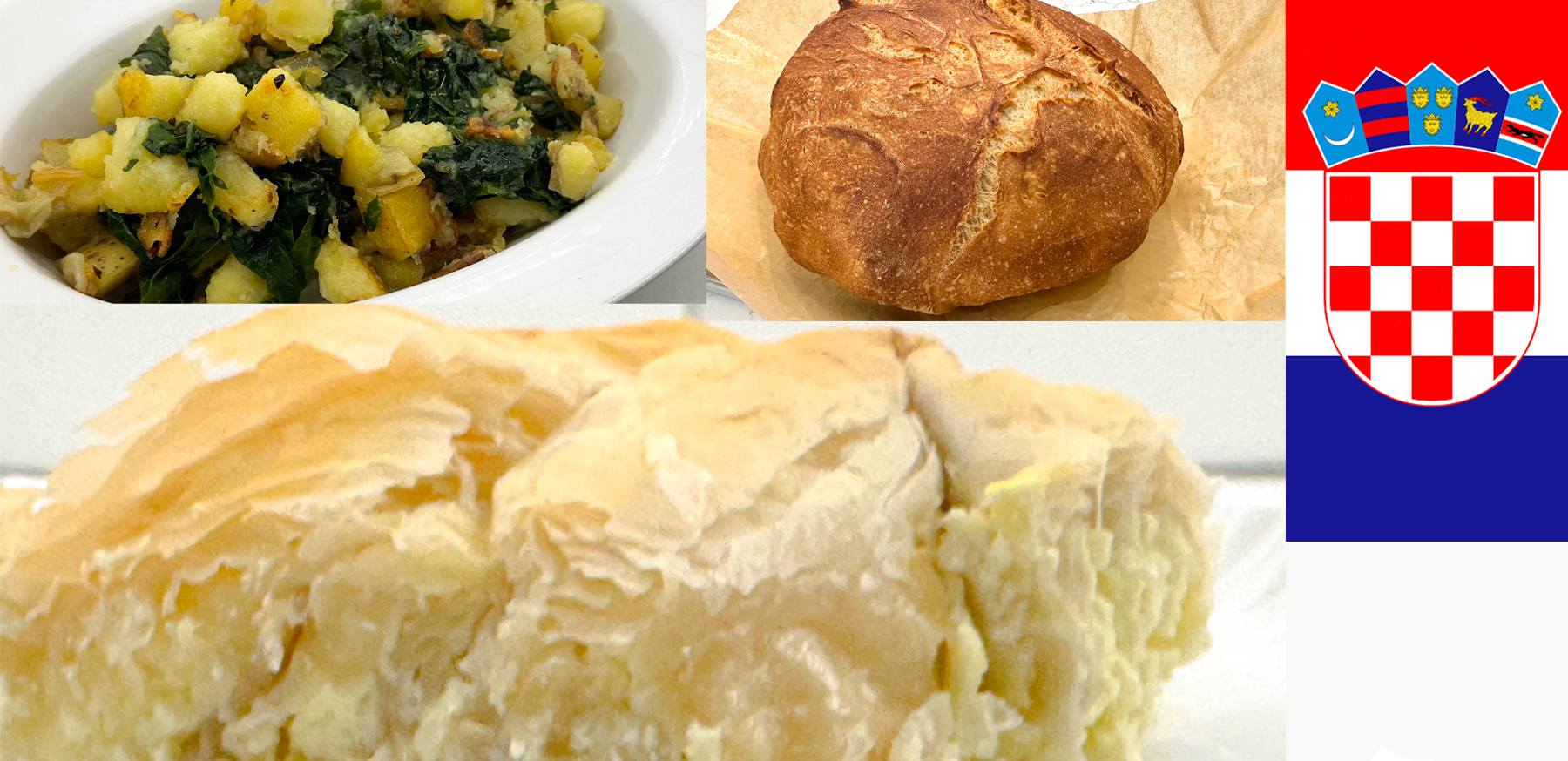
This weekends world food tour took us to Croatia! This seaside country opposite of Italy had a lot of interesting choices but we decided on some traditional choices: Burek – phyllo dough stuffed with a variety of cheeses, blitva – chard and yellow potatoes tossed with an unnecessary amount of garlic, and pogacha – a traditional hearth bread.

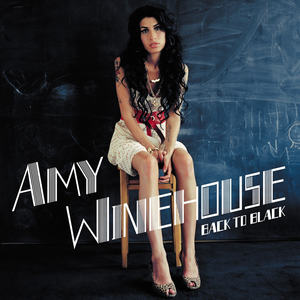
Amy Winehouse – Back in Black

Get ready to dive headfirst into a pool of retro-tinged heartbreak and vodka, because we’re about to dissect Amy Winehouse’s “Back to Black.” This isn’t just an album; it’s a confessional booth draped in ’60s girl group harmonies and soaked in Jack Daniel’s.

When “Back to Black” dropped in 2006, it was like a glorious anachronism had elbowed its way onto the charts, sporting a beehive and cat-eye liner. Winehouse took the sounds of yesteryear, infused them with her raw, unfiltered experiences, and created something both timeless and achingly contemporary.

“Rehab” kicks off the proceedings with all the subtlety of a brick through a window. It’s a defiant middle finger to intervention attempts, wrapped in a melody so catchy it should be illegal. Winehouse’s delivery is part croon, part snarl, like Ronnie Spector raised on a steady diet of punk rock and bad decisions.

You’d be forgiven for thinking “You Know I’m No Good” was a long-lost nugget from the Stax vault. The horns punch, the drums shuffle, and Winehouse lays bare her infidelities and insecurities with a frankness that’s both refreshing and uncomfortable. It’s like eavesdropping on someone’s therapy session, if that session took place in a smoky jazz club.

The title track “Back to Black” is where things get really heavy. Winehouse’s voice drips with despair as she chronicles the end of a relationship with gut-wrenching honesty. The production, courtesy of Mark Ronson, is a masterclass in modern-retro, with a melody that Phil Spector would’ve killed for (too soon?).

“Tears Dry on Their Own” samples Marvin Gaye and Tammi Terrell’s “Ain’t No Mountain High Enough,” but this ain’t no uplifting ode to love conquering all. Instead, it’s a clear-eyed look at a relationship’s end that somehow manages to sound like the world’s most depressing party.

Let’s talk about that voice for a moment. Winehouse’s vocals throughout this album are nothing short of extraordinary. She growls, purrs, and wails, her voice crackling with emotion and smoky from too many late nights. It’s the kind of voice that makes you believe every word, even when those words are detailing behavior that would make Keith Richards blush.

“Back to Black” isn’t just an album; it’s a time machine with a broken emergency brake. It hurtles between past and present, mixing retro sounds with contemporary themes in a way that feels both nostalgic and frighteningly current.

In essence, this record is like stumbling upon a ’60s girl group gig in a modern dive bar, where the lead singer is spilling her guts between shots of tequila. It’s beautiful, it’s messy, it’s heartbreaking, and you can’t look away.

So, should you listen to “Back to Black”? Does a bear… well, you know the rest. Just be prepared: this album might just break your heart, make you want to dance, and inspire you to make some questionable life choices all at the same time. Now, if you’ll excuse me, I’ve got a sudden urge to tease my hair into a beehive and perfect my winged eyeliner. They tried to make me go to rehab, but I said… “Just one more spin of this record.”

Fried Zucchini Pizza

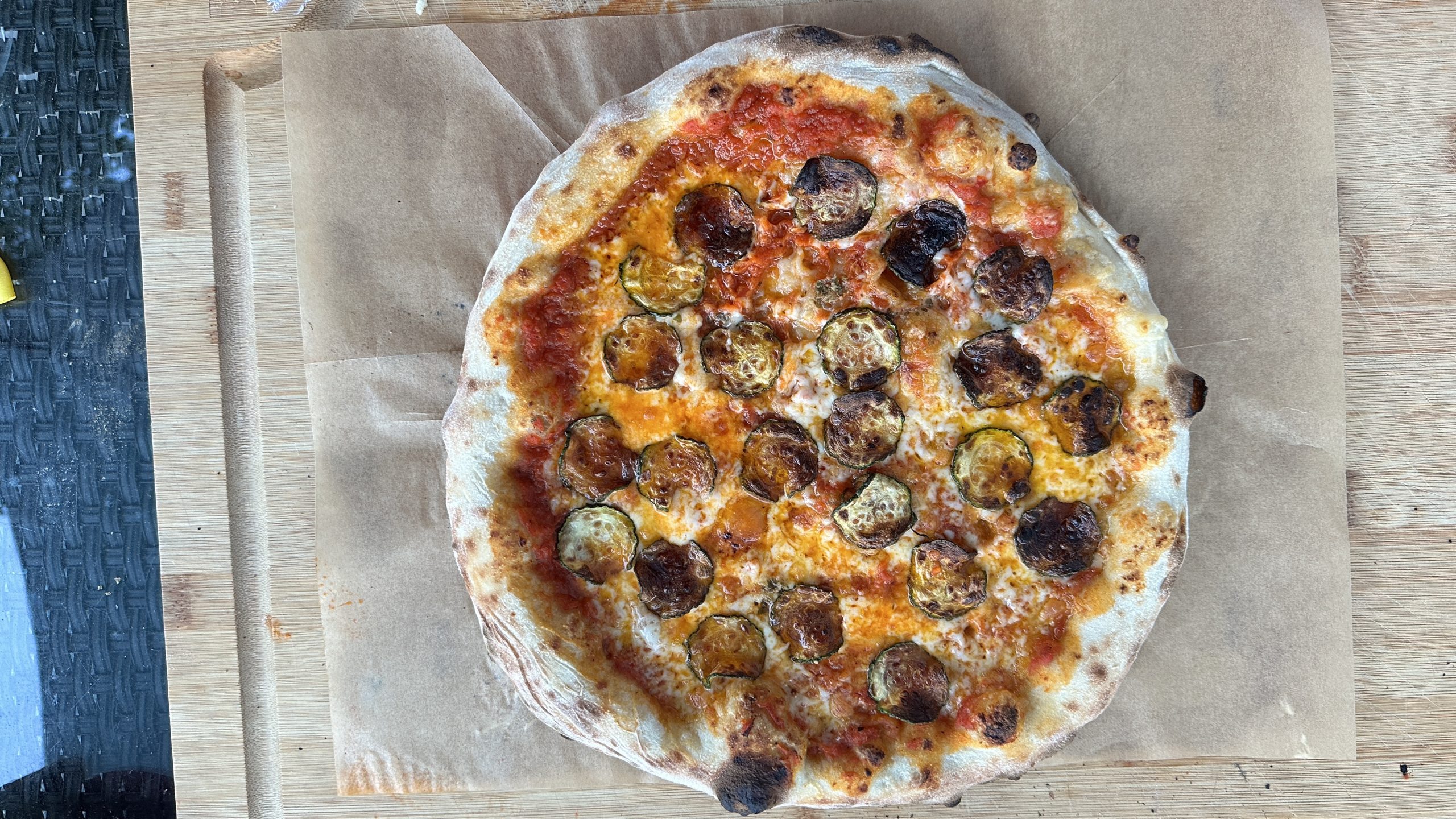
Not every brainchild is going to succeed. I had plenty of fresh zucchini and was looking for ways to integrate it into a pizza. In the past I’ve shaved some onto a pizza as a finisher.. but I wondered how I could find a new use for them. I thought maybe if I fried them like chips I could maybe add a crunchy element to a pizza. However, I couldn’t get the zucchini to be crunchy they were either burned in the oil or soggy.. and when I put them on the pizza they ended up burning. After all that the flavor of the zucchini was almost non existent. Time go back to the zucchini drawing board.

Worldwide Food Tour – Iran

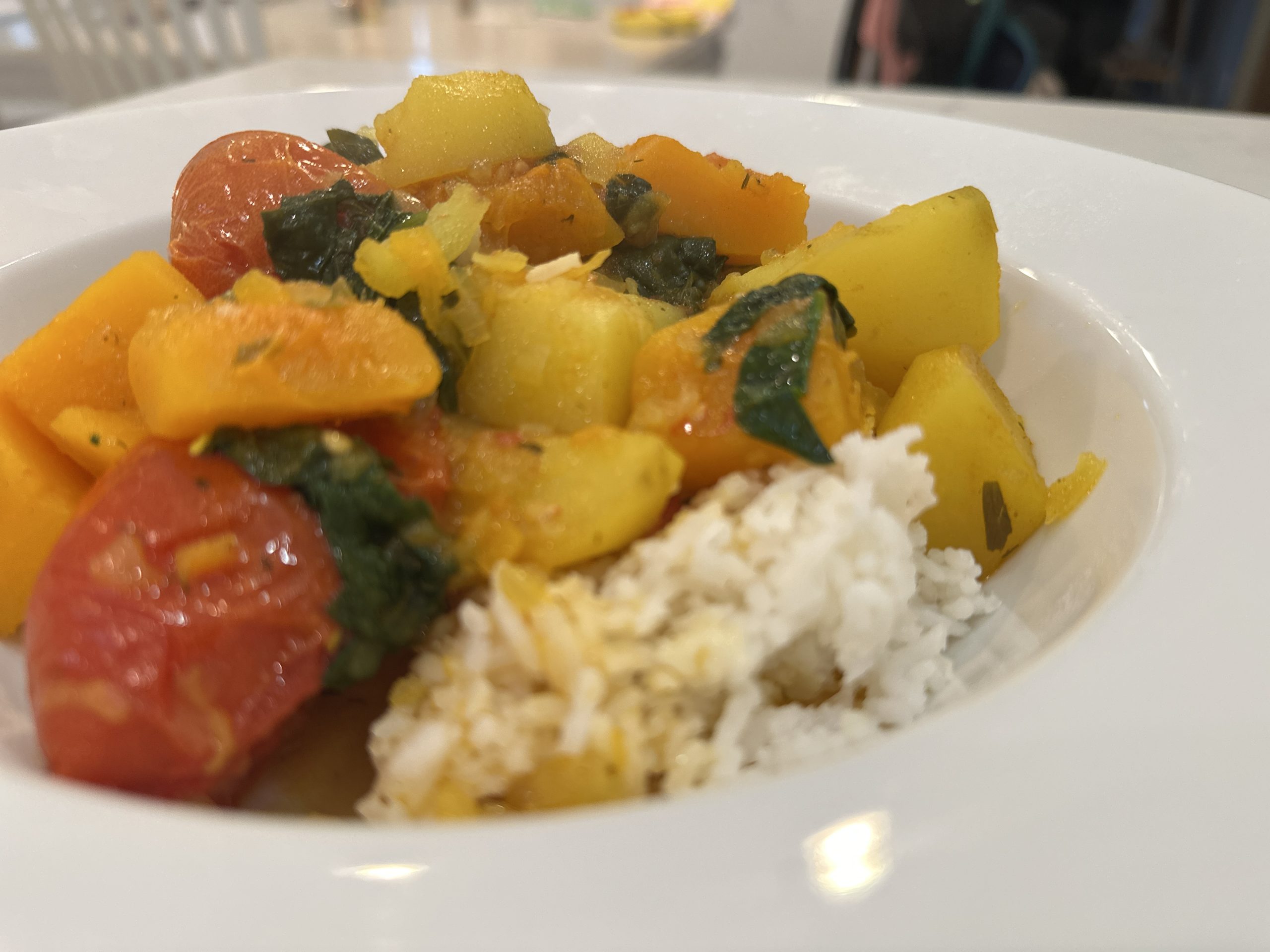
Iranian Vegetable Stew – I’m a big fan of Ottolenghi and I’ve made quite a few of his recipes in the past. I was thumbing through one of his cookbooks and saw this really tasty stew and noted it was an Iranian recipe. Perfect! I’ll make a delicious vegetarian dish and satisfy one of my goals. The methodology was interesting – you start it in a pot then transfer it to a roasting pan in the oven to reduce the liquid and caramelize some of the vegetables. I made a few mistakes however – I cut the vegetables too large and they cooked unevenly – and I had the pan too low so it didn’t brown as much as it should have. That being said, the flavor was great and I’d make this again remedying those two issues.

Here’s the recipe if anyone wants to give this a shot