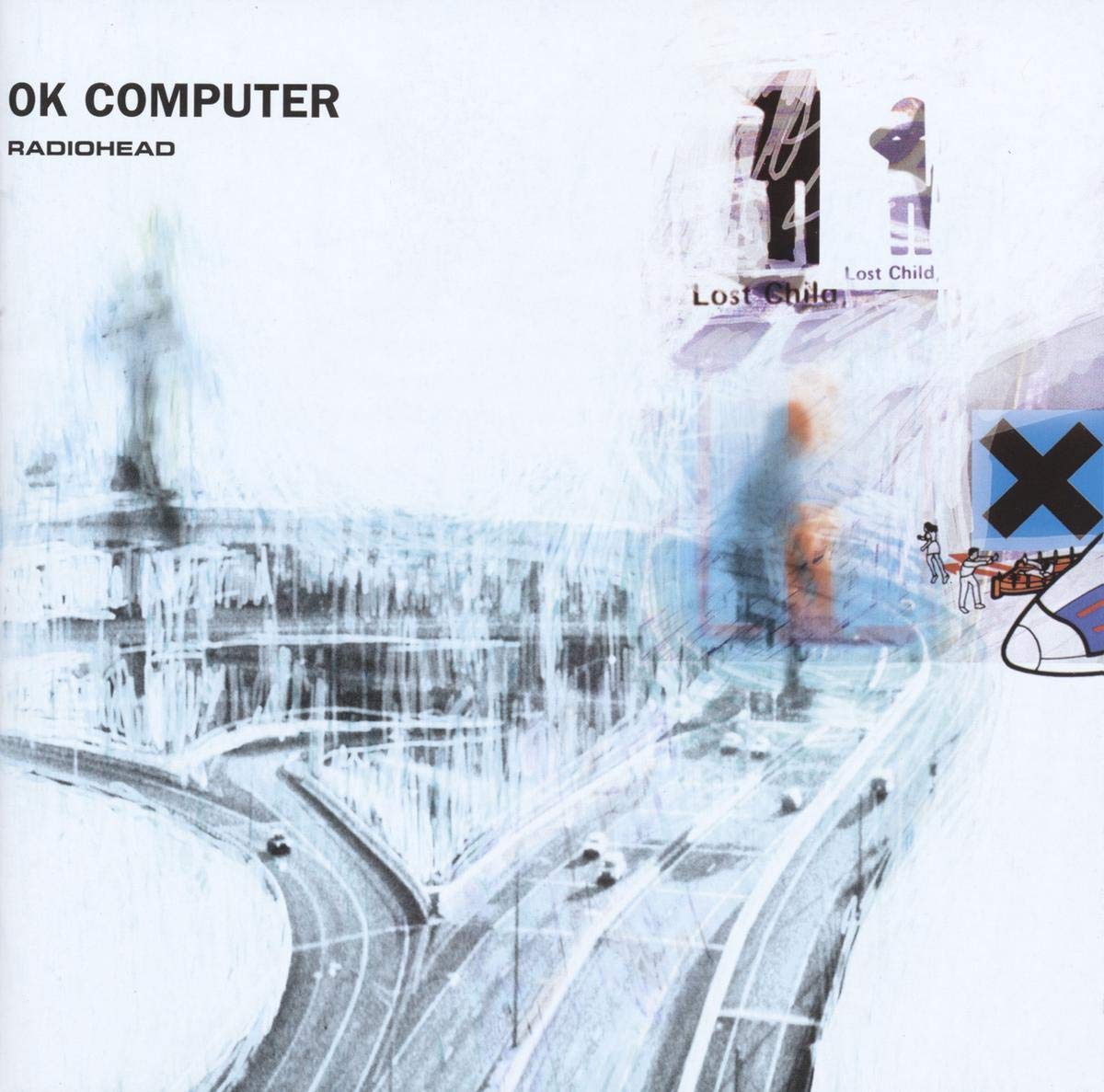
Radiohead – OK Computer

“OK Computer” by Radiohead: A Pretentious Odyssey Through the Digital Wasteland

In the annals of rock history, few albums have been as simultaneously lauded and overanalyzed as Radiohead’s “OK Computer.” Released in 1997, this opus has been hailed as a visionary masterpiece, a prophetic warning of our technologically dependent future. But let’s cut through the static and get to the heart of the matter: is it really all it’s cracked up to be, or just a collection of beeps and boops masquerading as profound art?

From the opening guitar arpeggios of “Airbag” to the final whimpers of “The Tourist,” “OK Computer” takes us on a journey. Unfortunately, it’s less of a road trip and more of a pretentious trudge through a swamp of self-importance. Thom Yorke’s vocals weave between unintelligible mumbles and banshee wails, as if he’s trying to simultaneously channel a moody teenager and a malfunctioning dial-up modem.

Yorke’s lyrics are a smorgasbord of pseudo-intellectual ramblings. It’s as if he swallowed a thesaurus and regurgitated it onto paper while watching late-night sci-fi reruns. The band seems to mistake obscurity for profundity, leaving listeners to wade through a lyrical quagmire that’s about as clear as mud on a moonless night.

Musically, the album is a testament to the band’s technical prowess, I’ll give them that. But it often feels like they’re showing off for the sake of it. It’s the musical equivalent of that guy at a party who won’t stop talking about his vintage synthesizer collection. We get it, you can play your instruments. Now can we have a tune we can actually hum?

“OK Computer” is the emperor’s new clothes of the music world. Critics and fans alike have spent decades convincing themselves of its genius, afraid to admit that maybe, just maybe, they don’t actually understand what’s going on. It’s not that the album is bad, per se. It’s just that it’s not the earth-shattering, life-changing experience it’s been made out to be.

In the end, “OK Computer” is like that friend who studied philosophy for a semester and now won’t shut up about existentialism at parties. It’s trying so hard to be deep that it forgets to be enjoyable. Is it influential? Absolutely. Is it technically impressive? Without a doubt. But is it the masterpiece it’s purported to be? This reviewer says: Computer says no.

In a world where we’re constantly bombarded with information, perhaps Radiohead’s greatest achievement with “OK Computer” was creating an album that makes you wish for a little less input. It’s a testament to the band’s skill that they managed to make something so complex, but sometimes, as they almost say in “Karma Police,” this reviewer just wants them to “stop this noise.”
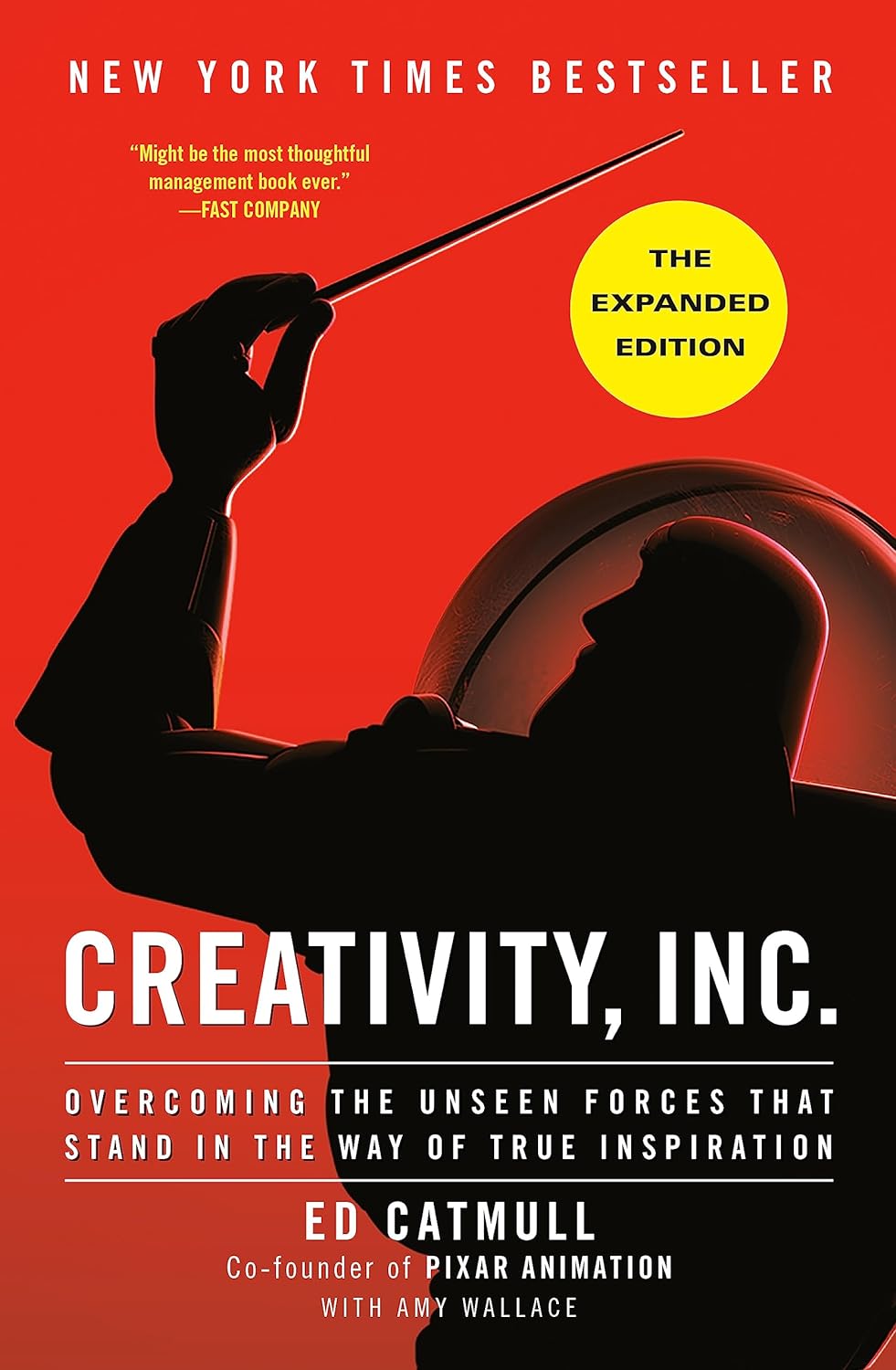

Creativity Inc! – Ed Catmull

Ed Catmull, co-founder of Pixar Animation Studios, shares his insights on fostering creativity and managing a successful creative organization in “Creativity, Inc.” The book details Pixar’s journey from a small tech company to an animation powerhouse, offering valuable lessons on leadership, innovation, and maintaining a creative culture.

Catmull emphasizes the importance of creating an environment where people feel safe to share ideas and take risks. He introduces the concept of the “Braintrust,” a group of trusted colleagues who provide honest feedback on projects without imposing solutions. This approach allows for constructive criticism while preserving the director’s vision and ownership of the project.

The author also discusses the challenges of maintaining creativity as an organization grows. He stresses the need to embrace failure as a necessary part of the creative process and to view problems as opportunities for growth. Catmull shares examples of how Pixar overcame various obstacles, including the near-disaster of Toy Story 2, which required a complete overhaul late in production.

Throughout the book, Catmull emphasizes the importance of people over ideas. He argues that a good team can fix a mediocre idea, but a bad team can ruin even the best concept. This philosophy led Pixar to invest heavily in its employees’ development and to create a culture that values every team member’s contribution.

Important takeaways from “Creativity, Inc.”:

  • Foster a culture of candor where people feel safe to share ideas and give honest feedback
  • Embrace failure as a necessary part of the creative process
  • Implement a “Braintrust” or similar peer review system for projects
  • Focus on hiring and developing talented individuals rather than solely pursuing great ideas
  • Remove barriers to creativity, including fear of failure and hierarchical structures
  • Encourage collaboration and cross-pollination of ideas between departments
  • Maintain a beginner’s mind and be willing to challenge assumptions
  • Balance the needs of the creative process with the realities of running a business
  • Continuously adapt and evolve management practices as the organization grows
  • Recognize that maintaining a creative culture is an ongoing process that requires constant attention

These insights from Catmull’s experience at Pixar offer valuable guidance for leaders in any creative field or organization seeking to foster innovation and maintain a dynamic, productive work environment.

[Summary AI assisted]

I really enjoyed this book. As a fan of Pixar movies I’ve always wondered how they managed to release hit after hit with each movie being a masterpiece of storytelling. I read this book at an important point in my career where I was taking on managing a team who would be creating things via software development. You might thing there’s not a lot of room for creativity in software development but as this book would point out – there’s always room for creativity and learning to encourage my teams to take risks and try new things has been a very rewarding experience. I appreciated all the lessons this book has to teach – it aligns with the books from Simon Sinek where once again the team culture is what creates great work and building and protecting that culture is how you create great teams.