Worldwide Food Tour – Russia

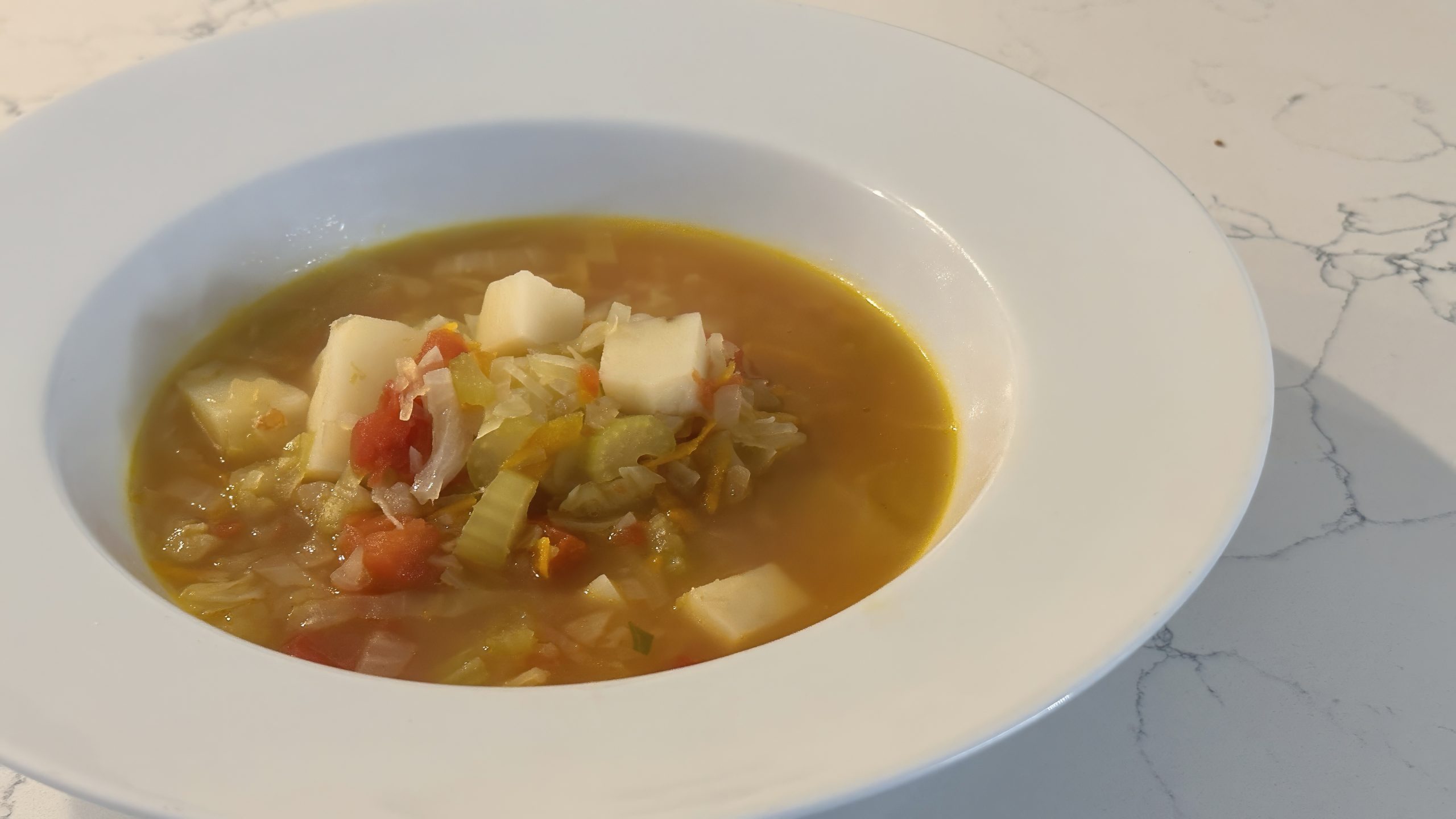
Shchi is a traditional Russian cabbage soup that has been a cornerstone of Russian cuisine for over a thousand years. The basic version combines fresh or fermented cabbage with meat broth (typically beef), root vegetables like carrots and potatoes, onions, and aromatic herbs. In leaner times or during Orthodox fasting periods, a meatless version called “empty shchi” was common.

The soup has a hearty, tangy flavor profile, especially when made with sauerkraut. The long, slow cooking process allows the flavors to meld together, creating a rich broth where the sweetness of carrots balances the sourness of cabbage. It’s often finished with fresh dill and a dollop of sour cream (smetana).

Russian black bread (černyj xleb) is the traditional accompaniment to shchi. This dense, dark sourdough rye bread gets its distinctive color and complex flavor from a combination of rye flour, molasses, and sometimes coffee or dark beer. The bread often includes caraway seeds and has a slightly sour taste with a thick, chewy crust and moist interior.

The history of these foods is deeply intertwined with Russian culture. Shchi was so fundamental to Russian diet that there’s an old saying: “Щи да каша – пища наша” (Shchi and porridge are our food). The soup’s popularity was partly due to cabbage being one of the few vegetables that could be preserved through the long Russian winters.

Black bread similarly became a staple because rye could grow in the harsh Russian climate where wheat often failed. During the Siege of Leningrad in World War II, the recipe for the city’s black bread was adjusted to include sawdust and other fillers, becoming a symbol of both survival and suffering.

Together, shchi and black bread represent the resourcefulness and endurance that characterized much of Russian peasant cuisine, creating deeply nourishing food from available ingredients that could sustain people through harsh winters and difficult times.

NY Mets vs Atlanta Braves

Braves 4, Mets 0

The Mets were on a five game winning streak and looking great. Then  I rolled into town and brough my bad sports luck with me, Goodbye 5 game win streak hellooo losing streak!

I had went with some Mets fans to the game as they were celebrating the 25th anniversary of the Mercury Mets. An ill-fated promotion in 1999 where the Mets pretended they were from the planet Mercury coming to earth to play baseball (https://www.mlb.com/video/taking-a-look-back-at-the-mercury-mets) – with some really awful uniforms and hilarious graphics on the big board.

Since I had no horse in the race I sat back and just enjoyed the nice summer day as Marcel Ozuna and Matt Olsen took it to the Mets back-to-back. Citi Field is really nice and I like that its walkable all around the stadium. Around the fourth inning we got up and went out to the center field patio which we discovered to our delight had a whiskey bar. We hung out there watching the game and enjoying our scotches for a while being entertained by the drunken Mets fans just doing their Mets thing.

After an inning or two hanging out with the people we went back to our seats (picking up some 40’s on the way) an caught the rest of the game which was quiet until the bottom of the ninth when the Mets started to rally putting a few men on base for Pete Alonso. My friends started to get excited – were they going to be present for an epic Mets comeback? Sadly no, as Alonso struck out stranding the runners Mets lose.

Overall the vibe at Citi Field was great I’d go to more games there but getting to Queens is a major hassle. After the game we popped over to the Queens night market and I highly recommend it. There was such a variety of different cuisines offered up at a reasonable cost. I sampled about 10 different cuisines while I was there taking furious notes for my ‘cooking around the world’ goals (although I doubt I could source Yak meat locally)

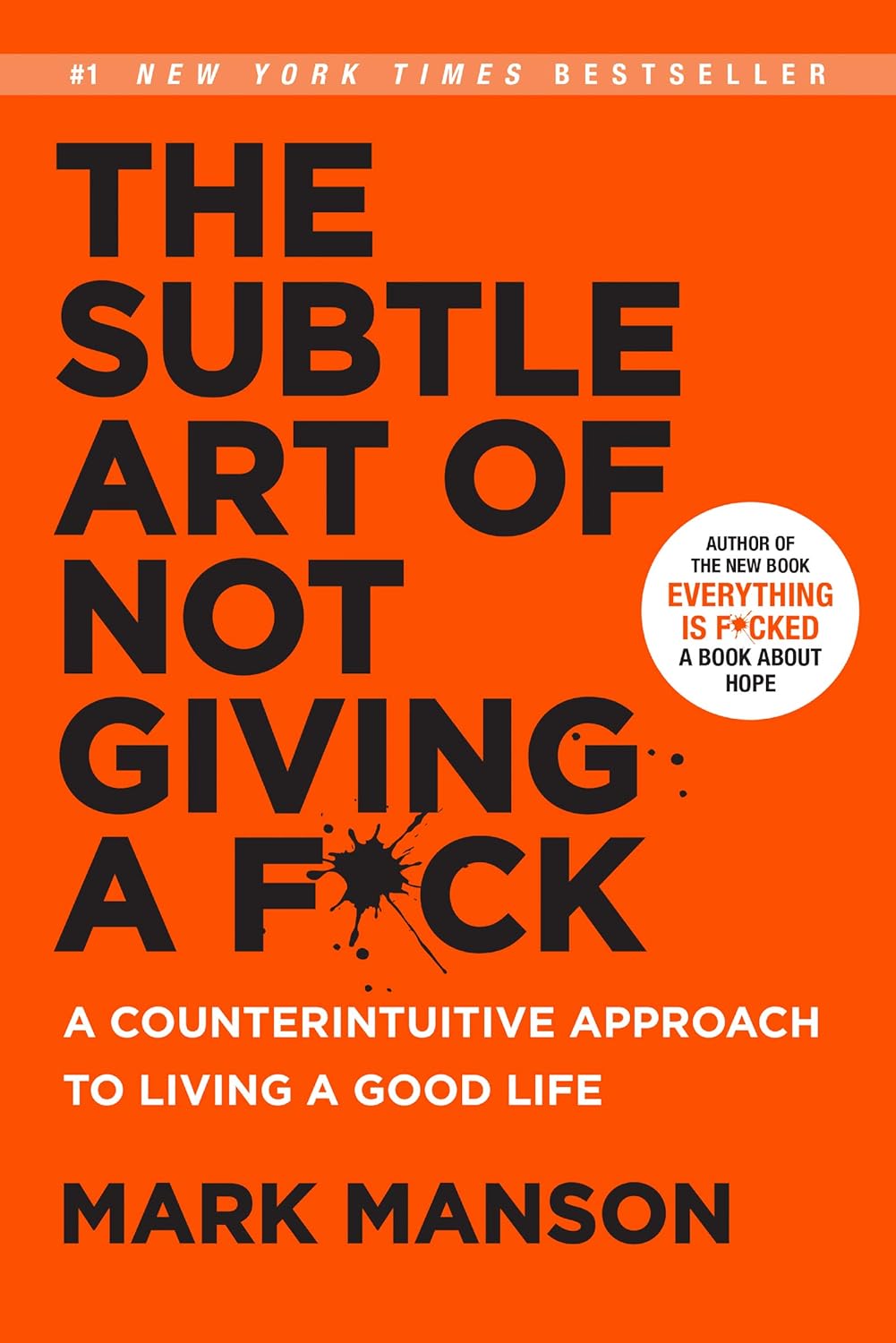
The Subtle Art of Not Giving a Fuck: Mark Manson

Ever had that friend who tells you to “just chill” while you’re having a meltdown? Mark Manson is that friend, except he’s actually making sense – most of the time. His counterintuitive self-help book has sold millions of copies, proving that people really do give a fuck about not giving a fuck.

Manson’s central premise is refreshingly blunt: life is hard, you’re not special, and that’s perfectly okay. In a world saturated with toxic positivity and Instagram-perfect lives, his message hits like a cold shower – uncomfortable at first, but oddly refreshing once you get used to it.

The book’s core argument is that we should be selective about what we care about rather than trying to not care at all (plot twist!). It’s like having a limited number of fucks to give, and Manson is teaching us how to invest them wisely. Think of it as mindfulness for the cynical millennial.

Key Takeaways:

  • Happiness comes through solving problems, not avoiding them
  • Values are the key to meaningful living, but many of us have garbage values (ouch)
  • Suffering is inevitable and useful; it’s what gives life meaning
  • You’re not special, and that’s liberating
  • Taking responsibility for everything in your life is the real key to not giving a fuck

The Good:
Manson has a gift for making complex philosophical concepts digestible through crude humor and pop culture references. He’s basically what would happen if Nietzsche wrote for BuzzFeed, and somehow it works. His writing style is engaging, and his use of personal anecdotes adds authenticity to his arguments.

The book succeeds in cutting through the noise of traditional self-help wisdom. Instead of promising the moon, it tells you to be content with your slice of earth. It’s anti-self-help self-help, and there’s something deeply satisfying about that paradox.

The Critical Points:
Here’s where things get interesting (and where I might ruffle some orange-covered feathers):

  1. The Irony Paradox: For a book about not giving a fuck, it spends an awful lot of time telling you exactly what to give a fuck about. It’s like a zen master who won’t stop talking about silence.
  2. Oversimplification: While the book’s accessibility is a strength, it sometimes veers into oversimplification territory. Complex psychological concepts get reduced to quippy one-liners, which might leave readers with an incomplete understanding of deep-seated issues.
  3. Privilege Blind Spots: Manson’s perspective sometimes comes across as that of a relatively privileged person who has the luxury of choosing what to care about. Not everyone has that freedom.
  4. Repetitive Arguments: By the halfway point, you’ve basically got the message. The rest feels like variations on the same theme – kind of like this criticism about repetition being repetitive.
  5. The Style Can Be Grating: The constant profanity and forced casualness might work for some readers, but it can feel like your uncle trying to be “hip with the kids.”

The Bottom Line:
Despite its flaws, “The Subtle Art” is a valuable addition to the self-help genre, if only for its willingness to punch holes in the bubble of relentless positivity. It’s like a literary version of that friend who tells you what you need to hear rather than what you want to hear.

The book isn’t perfect, but then again, that’s kind of its point. It’s a self-help book for people who are skeptical of self-help books, and in that niche, it excels. Just don’t expect it to revolutionize your life – and again, that’s kind of the point.

Rating: ⭐⭐⭐⭐ out of 5
Perfect for: Millennials tired of being told to manifest their best life
Not for: Those who can’t handle profanity or prefer their self-help with a side of crystals

Final Thought: In a world where everyone’s trying to sell you the secret to eternal happiness, there’s something refreshing about a book that tells you to lower your expectations – even if it does so while secretly raising them.