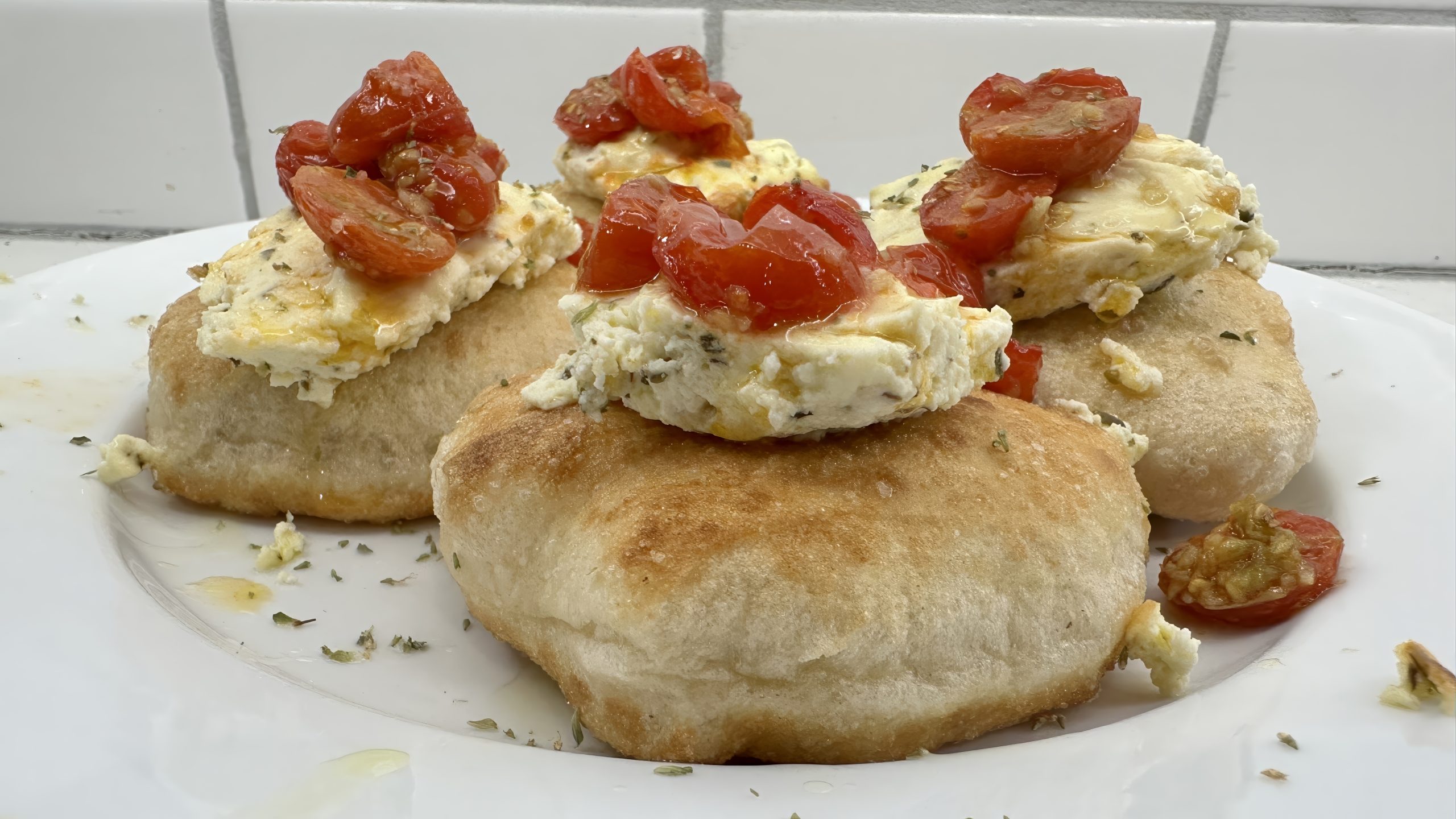
Fried Pizza (Fritta)

In the narrow alleyways of Naples’ Quartieri Spagnoli, pizza fritta emerged during World War II as necessity transformed crisis into culinary innovation. When Allied bombing damaged many wood-fired ovens and ingredients became scarce, Neapolitan pizzaioli turned to a different cooking method – deep frying. What began as a wartime adaptation became a cherished street food tradition that persists today.

Pizza fritta starts with the same dough as traditional Neapolitan pizza, but instead of being baked, it’s sealed into a half-moon shape and immersed in boiling oil. The filling traditionally consists of ricotta, small pieces of ciccioli (pork), and black pepper, though modern versions might include provola, salami, or tomato sauce. The frying process creates a golden, crispy exterior while steaming the filling inside, resulting in a perfect contrast of textures.

This style of pizza gained fame through the “friddarielle” – women who sold pizza fritta from street stands, often on credit to hungry workers. The most famous was Fernanda Speranza, known as “Queen of the Fried Pizza,” who fed thousands during Naples’ post-war reconstruction. These vendors would call out “Oggi a otto!” (Pay in eight days!), allowing customers to eat now and pay later – a system of trust that helped sustain communities through hard times.

In modern Naples, pizza fritta exists in two main forms: the traditional filled half-moon and the open-faced montanara, where the dough is fried then topped with tomato sauce and cheese before a quick finish in the oven. Both styles represent Naples’ ability to elevate humble ingredients into celebrated dishes through technique and tradition.

The renaissance of Neapolitan pizza has brought renewed attention to pizza fritta, with high-end restaurants now offering refined versions alongside street vendors maintaining traditional preparations. Yet its essence remains unchanged – a testament to Neapolitan ingenuity and resilience, transformed from wartime necessity into culinary heritage.

I had my first true Pizza Fritta in Naples and it was transcendent. I know that sounds like hyperbole but it was crispy and soft at the same time and the tomato and cheese toppings were both salty and sweet and overall it was what people think of when they say “taste explosion” – I knew I wanted to recreate it at home but kept delaying it in favor of easier pizzas. I knew I wanted to use the roasted tomatoes similar to what I had in Italy but wanted to jazz it up. I decided some baked ricotta would be a nice salty counterpoint to the sweet tomatoes and I was right. This really was an easy thing to make and it was delicious. I ate three before I remembered to leave a couple for my wife.
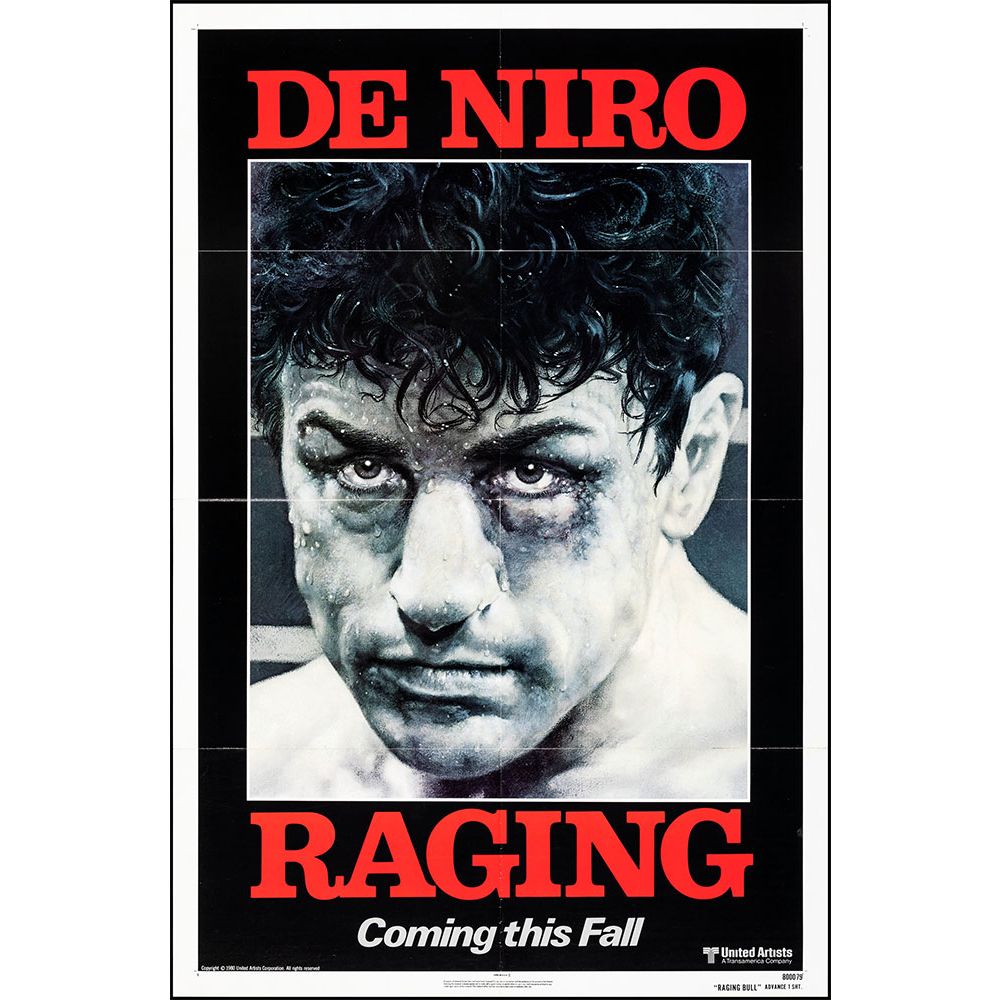

Raging Bull

Ever wonder what would happen if you took the world’s angriest man and made him punch people for a living? Meet Jake LaMotta (Robert De Niro), a middleweight boxer whose approach to both fighting and relationships makes Mike Tyson look like a meditation teacher.

Scorsese’s black-and-white masterpiece follows LaMotta through his rise and spectacular face-first fall, chronicling a man who apparently never met a person – including himself – he didn’t want to fight. The film opens in 1941, when Jake is just a up-and-coming boxer whose only notable personality trait is his ability to take a punch better than most people take compliments.

Enter Jake’s brother Joey (Joe Pesci, proving that short men can be terrifying long before Goodfellas), who manages Jake’s career with all the subtlety of a punch to the face. Their relationship is like watching the world’s most violent family counseling session, complete with mob connections and fixed fights. When Jake meets 15-year-old Vickie (Cathy Moriarty), he pursues her with all the charm of a restraining order waiting to happen. They eventually marry, because apparently no one thought to warn her about red flags.

The boxing scenes are shot like violent ballet, with blood spraying in gorgeous slow motion and sounds that make every punch feel like a small car accident. Scorsese films these fights like they’re taking place in hell itself, with smoke filling the ring and flashbulbs popping like tiny explosions. It’s beautiful in the same way a tornado is beautiful – from a very safe distance.

But the real fighting happens outside the ring. Jake’s pathological jealousy turns his life into a never-ending episode of “Who’s Sleeping With My Wife?” (Spoiler alert: probably nobody). He accuses Joey of having an affair with Vickie, which leads to a fight that makes their childhood squabbles look like pillow fights. He beats up his wife’s supposed admirers with the dedication of a man filling out his punch card at a very violent coffee shop.

The film charts Jake’s rise to the middleweight championship, including his famous fights with Sugar Ray Robinson, whom Jake seems to view less as an opponent and more as a personal insult to his existence. But because Jake can’t stop being Jake for five minutes, he gains weight, loses his title, and manages to alienate literally everyone who ever cared about him.

By the 1950s, Jake is reduced to running a sleazy Miami nightclub and performing bad stand-up comedy, which is somehow more painful to watch than any of his boxing matches. He gets arrested for introducing underage girls to male patrons, sending him to prison where, in a moment of pure LaMotta logic, he punches a wall until his knuckles bleed while screaming “Why? Why?”

The film ends with an older, paunchier Jake rehearsing his nightclub act in front of a mirror, reciting Marlon Brando’s famous “I coulda been a contender” speech from On the Waterfront. It’s a moment of crushing irony – unlike Terry Malloy, Jake had actually made it. He just couldn’t stop fighting long enough to enjoy it.

The Verdict

What I Love:

  • De Niro’s performance, which included gaining 60 pounds and presumably losing his sanity
  • Boxing sequences that make actual boxing look like synchronized swimming
  • Michael Chapman’s black-and-white cinematography that makes everything look like a beautiful nightmare
  • Joe Pesci proving that rage isn’t determined by height
  • Dialogue that makes profanity sound like Shakespeare

What Could’ve Been Better:

  • Might make you reconsider your boxing career
  • Will definitely affect your appetite for steak
  • Could make family reunions seem relatively peaceful by comparison

“Raging Bull” is like watching a Greek tragedy where everyone speaks in four-letter words and resolves their conflicts with uppercuts. It’s a masterpiece that makes you grateful for modern anger management techniques.

Rating: 5 out of 5 perfectly cooked steaks (medium rare, or Jake will know)

P.S. – After watching this, you might want to hug your brother. Unless he’s Joe Pesci.