
Goal Met – No Social Media for 30 days

This was a bit more difficult than I thought it would be as using social media is an ingrained habit and something that I kind of did unconsciously. I don’t really post much (although when I first started I was posting a lot) I just read posts and laugh at memes but I found myself doing it for blocks of time that were just way too long. I did a bunch of research (written up below) and made some stark changes to the way I access my electronic media in order to go this 30 day thing. I deleted the apps from my phone, I black holed the sites on my router for all my devices and blocked the sites on my mobile browsers. I found a neat extension for FireFox that nukes YouTube’s algorithm to stave off that video rabbit hole that algorithm sometimes sends you into. It seems a bit extreme but in the first week I found myself with my phone in my hand and me staring at it wondering when I decided to take it out (I didn’t, spoiler: My dopamine fiend brain did)

After 30 days I started to have a clear delineation of harmful vs harmless social media. FB and IG weren’t bad as sharing mechanisms but the stuff that was being fed to me seemed deliberate to make me angry and research has shown that’s by design. It keeps you engaged and on the platform where they can feed you more ads. The biggest contributor to anxiety is Reddit – Even if I filter for just the subreddits I’m interested in they keep serving me up platters of hate in fact that’s the only platform I still haven’t returned to in some form. I simply just don’t need to endlessly doom scroll and fill my mind with all that is wrong with the world for hours on end each day. That’s just not healthy.

I still go onto FB every now and then to see what my friends are up to and log into IG once a week or so to look at all the memes my wife sends but I just don’t have the same drive I used to. It’s probably because I’m older now and just don’t have time for that bullshit anymore.

[Research]

Taking a 30-day break from social media can have profound effects on mental, emotional, and even physical health. Research increasingly supports the idea that stepping away from constant digital engagement can lead to improved well-being, increased focus, and better social connections. A 2018 study published in the Journal of Social and Clinical Psychology found that limiting social media use to just 30 minutes per day significantly reduced feelings of loneliness and depression in participants. But what happens when you eliminate it altogether for a month? The effects can be even more pronounced. Without the constant influx of notifications, comparison traps, and algorithm-driven content designed to keep users engaged, individuals often report lower stress levels, improved sleep, and an overall boost in happiness. Another study from the University of Pennsylvania reinforced these findings, showing that those who took breaks from social media experienced decreased symptoms of anxiety and depression, largely due to reduced exposure to unrealistic portrayals of life and fewer opportunities for negative social comparison.

Beyond mental health benefits, a social media detox can also improve cognitive function and productivity. The brain thrives on deep work and focus, but social media platforms encourage fragmented attention, pulling users into an endless loop of scrolling, clicking, and responding to stimuli. A study from the Harvard Business Review highlighted that frequent social media use diminishes attention spans and reduces our ability to engage in complex problem-solving. Without social media interruptions, individuals often find themselves more engaged in work, creative pursuits, and meaningful conversations. This kind of sustained focus has been linked to higher levels of personal satisfaction and professional success. Furthermore, stepping away from social media reduces the addictive dopamine-driven cycle of instant gratification, allowing the brain to reset and regain a healthier relationship with digital consumption.

The physical benefits of a social media detox are also worth noting. Excessive screen time, particularly before bed, has been linked to poor sleep quality due to blue light exposure and mental overstimulation. A 2019 study in Sleep Health found that individuals who used social media late at night took longer to fall asleep and had poorer sleep quality compared to those who disengaged earlier in the evening. Removing social media from daily habits can lead to deeper rest, increased energy levels, and even improvements in physical activity. Many individuals who take a break from social media report spending more time outdoors, exercising, or engaging in hobbies they previously neglected. This shift not only boosts physical health but also contributes to improved mood and emotional resilience. A study by the American Psychological Association suggests that time spent in nature—rather than in front of a screen—reduces cortisol levels, the body’s primary stress hormone, leading to a greater sense of calm and well-being.

Emotionally, a break from social media can foster healthier relationships and a stronger sense of self. Social media often fuels feelings of inadequacy, FOMO (fear of missing out), and the pressure to constantly share curated versions of one’s life. By stepping away, individuals can reconnect with their own values, develop a greater sense of self-worth independent of online validation, and strengthen real-world relationships. A study from Cyberpsychology, Behavior, and Social Networking found that excessive social media use correlates with decreased face-to-face interactions, which are essential for emotional well-being. Many participants who took a month-long break from social media reported deeper conversations, improved relationships, and a greater appreciation for in-person connections. The detox period allows people to re-engage with life in a more present and intentional way, free from the pressures of digital self-presentation.

Ultimately, a 30-day break from social media is more than just a temporary detox—it can be a powerful reset for the mind and body. Whether it leads to a permanent reduction in usage or simply provides a new perspective on the role of digital engagement, the benefits are well-documented. Improved mental health, enhanced focus, better sleep, more physical activity, and stronger relationships are just a few of the scientifically-backed reasons to give it a try. With social media becoming an increasingly dominant force in modern life, stepping away—even for a short time—can serve as a reminder that true fulfillment is often found offline.
Trenton Tomato Pie

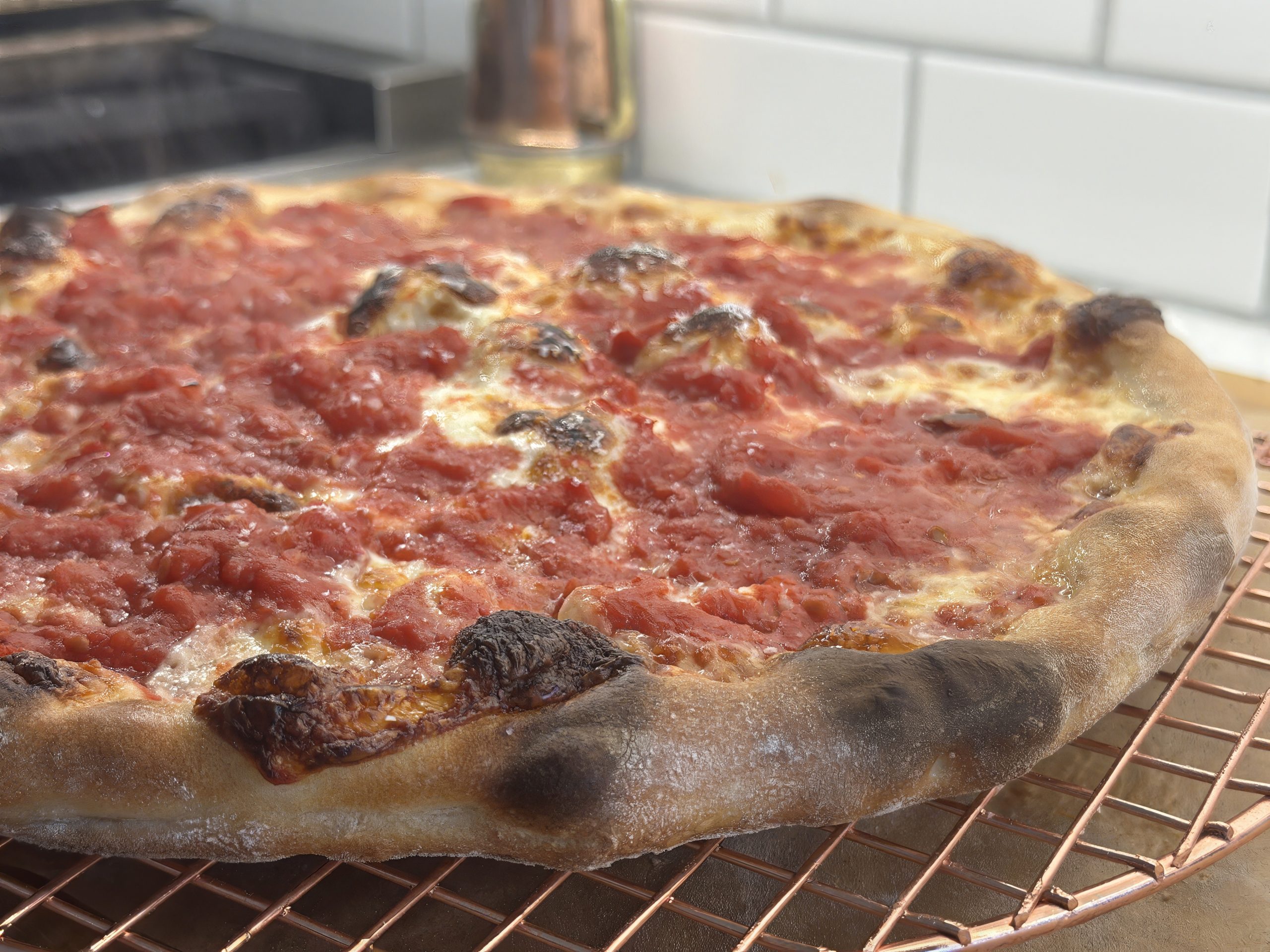
f you think all pizza is just a variation of the same thing, Trenton Tomato Pie is here to prove you wrong. This New Jersey-born specialty isn’t just a pizza—it’s a philosophy. A distant cousin of the classic New York slice and the coal-fired legends of New Haven, Trenton Tomato Pie flips the script on what most people expect from a pizza by doing one simple, yet game-changing thing: the sauce goes on top.

Trenton Tomato Pie traces its roots back to the early 1900s, when Italian immigrants, particularly those from Naples, were bringing their pizza-making skills to the U.S. While New York and New Haven developed their own famous styles, Trenton (now officially called Hamilton Township, though locals still cling to the old name) was busy crafting something uniquely its own. The earliest and most legendary name in the game is Joe’s Tomato Pie, opened in 1910, but it was De Lorenzo’s Tomato Pies, established in 1936, that cemented the style’s reputation. These family-run pizzerias helped define what Trenton-style pizza was all about: a crisp, thin, yet sturdy crust, a restrained amount of cheese, and the signature move—ladling the tomato sauce over the cheese before baking.

Now, let’s talk about what makes Trenton Tomato Pie different from your average slice. The dough is stretched thin but remains firm enough to hold up under the weight of its toppings without going soggy. Unlike the airier Sicilian-style or the charred chew of a Neapolitan pie, this crust has just the right amount of crunch without being cracker-like. It’s baked in a deck oven—usually gas-fired, though some places use coal—resulting in an evenly cooked base with a golden brown, slightly blistered edge.

The cheese, typically low-moisture mozzarella, is applied sparingly, creating a more balanced bite where no single ingredient overwhelms the others. Then comes the defining feature: the tomato sauce. Unlike many pizzas where the sauce is buried beneath a blanket of cheese, Trenton Tomato Pie does it in reverse. The sauce is spooned over the cheese in dollops or a swirling pattern, allowing it to shine as the dominant flavor. This isn’t a basic, thin tomato sauce either—it’s chunky, vibrant, and slightly sweet, often made from hand-crushed San Marzano or Jersey tomatoes, simmered down just enough to concentrate the natural sweetness without losing that fresh, tangy punch.

Toppings on a Trenton Tomato Pie are kept relatively simple. Pepperoni, sausage, mushrooms, and anchovies are all common, but purists argue that the best way to experience this style is with just the essentials—dough, cheese, and sauce. That way, you can fully appreciate the interplay of textures and flavors without any distractions. One standout variation, though, is clam tomato pie, a nod to New Haven-style apizza, which adds briny, garlicky clams to the mix for a coastal twist.

Despite being overshadowed by its big-city neighbors, Trenton Tomato Pie has a fiercely loyal following. Institutions like De Lorenzo’s and Papa’s Tomato Pies (which claims to be the oldest continuously operating pizzeria in the U.S.) keep the tradition alive, serving up these old-school pies to both nostalgic locals and pizza pilgrims who’ve come to see what all the fuss is about.

In a world where pizza is often loaded with excessive toppings, heavy cheese, and thick layers of sauce, Trenton Tomato Pie stands as a testament to restraint and balance. It’s a pizza for those who appreciate the art of simplicity—where each ingredient gets its moment to shine. If you ever find yourself in New Jersey, seeking out an authentic Trenton Tomato Pie should be at the top of your food bucket list. One bite, and you’ll understand why this under-the-radar classic deserves a spot in the pantheon of America’s greatest pizzas.

Nirvana – Nevermind

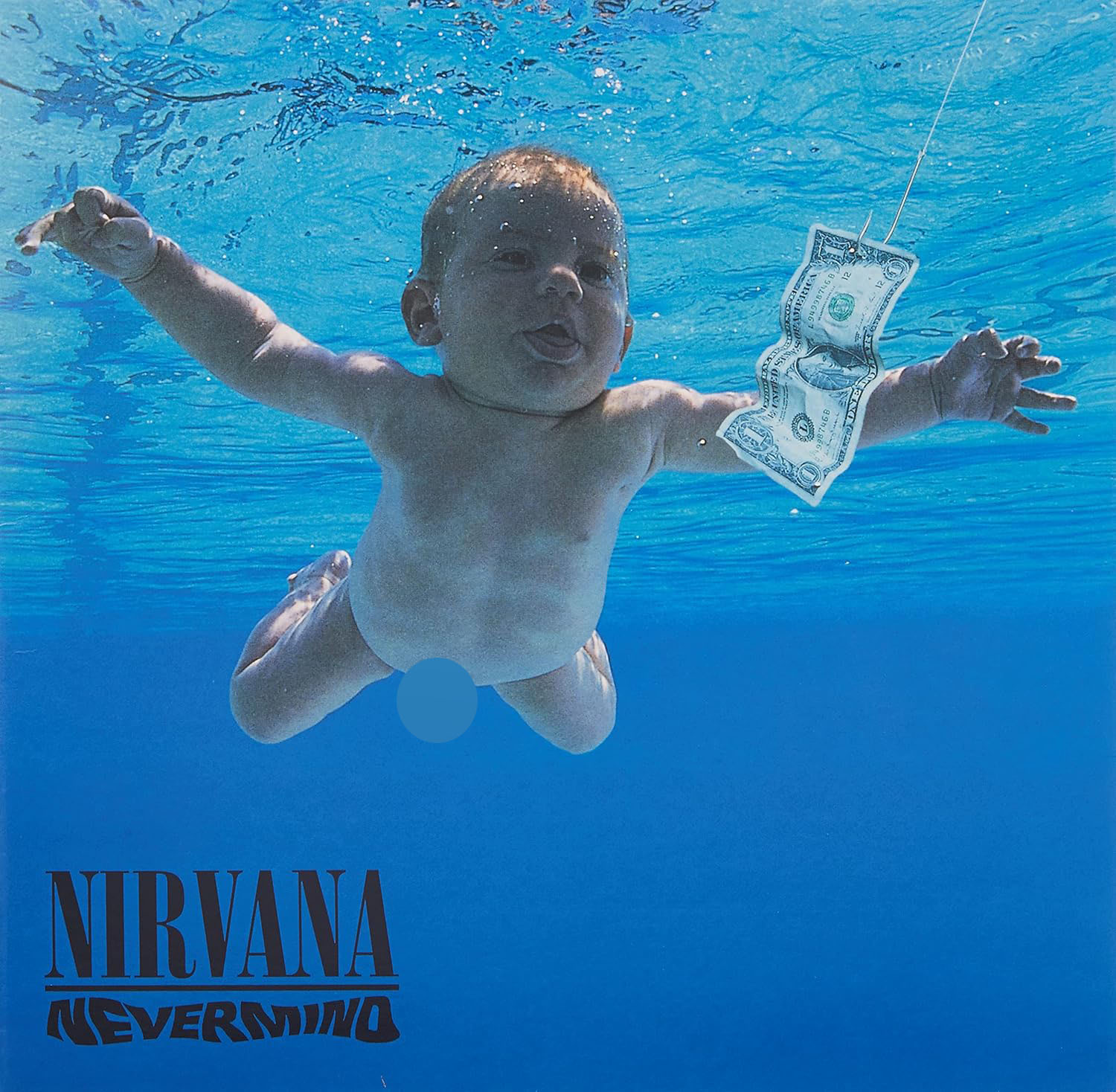
I was 18 when Nevermind came out, and if you weren’t there, you’ll never fully understand what it felt like. It was like a meteor hit music. One day, it was all hair metal, neon spandex, and drum machines, and the next, it was flannel, distortion, and an existential crisis you could actually dance to. Nirvana didn’t just release an album; they ripped a hole in the fabric of pop culture and let all the disaffected, pissed-off, and misunderstood kids climb through.

And let’s be clear: Nevermind wasn’t supposed to be this big. This was just three scrappy guys from Seattle making an album they thought might sell a few thousand copies, maybe let them quit their day jobs. But then “Smells Like Teen Spirit” happened, and suddenly, everything changed. That opening riff? It’s the sound of the entire ‘80s collapsing in on itself. The second it hit, you knew things weren’t going back to normal. Kurt Cobain’s voice was raw, desperate, and completely unhinged in a way that made you feel like he was singing your own confusion back at you. And that chorus—loud, quiet, louder—wasn’t just a musical trick, it was a tidal wave. It didn’t matter if you were a misfit skater kid or some suburban burnout, this was your anthem.

But Nevermind isn’t just “Smells Like Teen Spirit.” Every song is its own sucker punch. “In Bloom” mocks the very people who bought the album, which makes it even funnier that frat bros cranked it at keggers. “Come As You Are” is sludgy and hypnotic, a song that practically begs you to sink into the couch and let your brain melt. “Lithium” is a singalong for people teetering on the edge, and “Polly” is so stripped-down and haunting that you don’t even realize how horrifying the lyrics are until halfway through.

Then there’s “Drain You,” which might be Nirvana’s most underrated song, full of bizarre, cryptic lyrics about dependency that somehow feel more universal than anything else on the album. “Territorial Pissings” is pure chaos, an explosion of punk energy that makes you want to kick over a table, and by the time you hit “Something in the Way,” you feel like you’ve been through a full psychological breakdown.

And that’s the thing—Nevermind isn’t just music. It’s a mood, a whole generation’s nervous breakdown wrapped in fuzz pedals and Cobain’s gut-wrenching wails. It felt dangerous and vulnerable at the same time, like you weren’t just listening to songs, you were overhearing someone’s diary being set on fire. It turned grunge from a regional subculture into the defining sound of the decade and made rock feel dangerous again after years of corporate gloss.

The cultural impact? Unmatched. Before Nevermind, alternative music was exactly that—alternative. After Nevermind, it was mainstream. This album didn’t just kill hair metal; it burned it to the ground and salted the earth. Suddenly, everyone was wearing ripped jeans, every record label was scrambling to sign the next Nirvana, and every teenager with a cheap guitar was convinced they could start a band. And maybe they could—because Nevermind proved you didn’t need million-dollar production or virtuoso musicianship. You just needed something real, something that mattered.

And that’s why Nevermind is a top-five album of all time. Because it wasn’t just music—it was a revolution. It was the sound of an entire generation realizing they weren’t alone in their discontent. And for those of us who lived through it, it wasn’t just an album we listened to. It was an album that changed us.